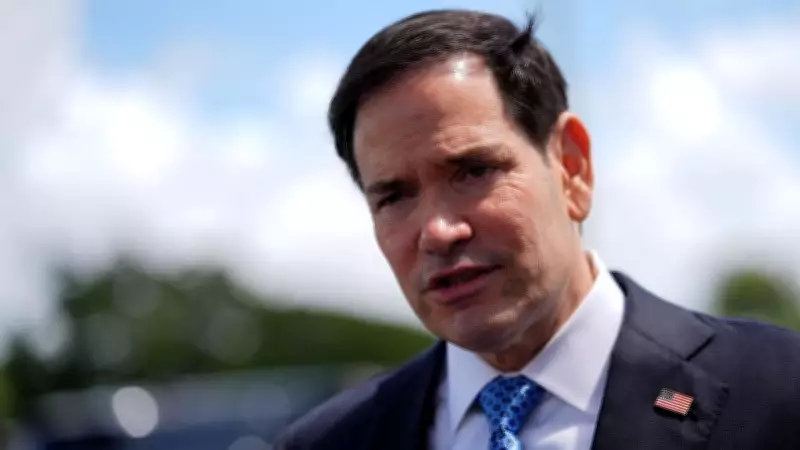
United States Secretary of State Marco Rubio has described India as a “great partner” and expressed readiness to expand energy cooperation between the two nations. Speaking during his visit to New Delhi, Rubio emphasized the importance of strengthening bilateral ties in the energy sector, which he said would benefit both countries economically and strategically.
Rubio’s Remarks on India-US Partnership
Rubio stated that the United States views India as a key ally in the Indo-Pacific region and beyond. He highlighted that energy cooperation is a critical component of the bilateral relationship, with potential for growth in areas such as renewable energy, oil and gas, and nuclear power. “India is a great partner, and we are ready to expand our energy cooperation,” Rubio said during a press briefing.
Visit to New Delhi and Quad Meetings
The US Secretary of State noted that his visit to New Delhi is significant not only for bilateral discussions but also because it provides an opportunity to meet with ministers from the Quad nations—Australia, India, Japan, and the United States. The Quad is a strategic forum aimed at promoting a free and open Indo-Pacific. Rubio’s schedule includes meetings with Indian officials and Quad counterparts to discuss regional security, economic collaboration, and climate initiatives.

Rubio’s visit underscores the deepening ties between India and the United States under the current administration. Both nations have been working closely on defense, technology, and trade, with energy emerging as a new frontier for cooperation. The expansion of energy ties is expected to include joint ventures in clean energy technologies and increased investment in India’s energy infrastructure.
Analysts view Rubio’s remarks as a positive signal for future collaboration, particularly in the context of global energy security and the transition to sustainable energy sources. The Quad meeting is also likely to address energy challenges in the region, including supply chain resilience and access to affordable energy for developing nations.