

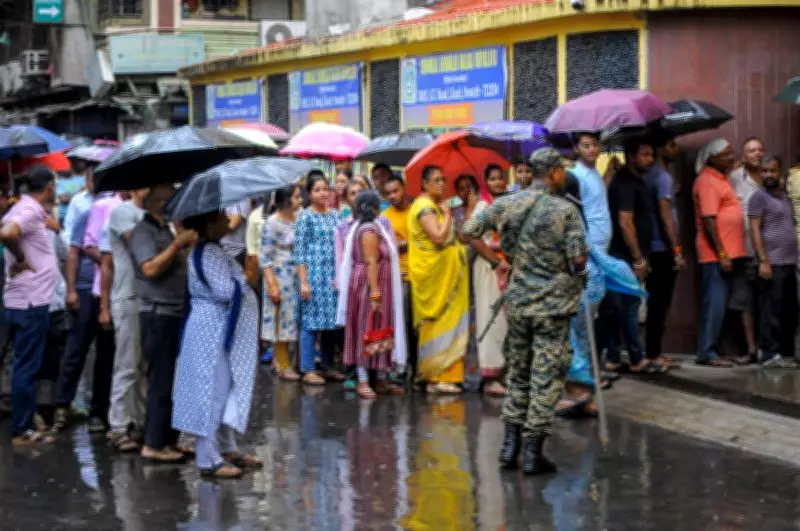
West Bengal has set a new benchmark in democratic participation with a record voter turnout of 92.47% in the first two phases of the state assembly elections. This historic figure surpasses the previous highest turnout of 91.91% recorded in the 2016 assembly polls, showcasing an unprecedented level of civic engagement among the electorate.
Unprecedented Participation in Phase I and II
The Election Commission of India confirmed that the first phase, held on March 27, saw a turnout of 91.92%, while the second phase on April 1 recorded an even higher 93.12%. Combined, these figures mark the highest voter turnout in any two-phase election in the state's history. The surge in participation is attributed to heightened political awareness, effective campaigning by major parties, and robust efforts by election authorities to ensure inclusive voting.
Factors Driving the Record Turnout
Political analysts point to several factors behind the remarkable turnout. Intense competition between the ruling Trinamool Congress, the Bharatiya Janata Party, and the Left-Congress alliance mobilized voters. Additionally, targeted outreach to women, youth, and first-time voters through social media and door-to-door campaigns played a crucial role. The Election Commission's deployment of ample polling stations and security measures also instilled confidence among voters.

Key Highlights:
- Phase I (March 27): 91.92% turnout across 30 constituencies in southern and coastal districts.
- Phase II (April 1): 93.12% turnout across 30 constituencies in northern and central districts.
- Total turnout for two phases: 92.47%, surpassing the 2016 record of 91.91%.
Comparative Analysis with Previous Elections
The 2021 turnout is a significant jump from the 2016 assembly elections, where the overall turnout was 82.28%. The 2019 Lok Sabha polls in the state recorded a turnout of 80.97%. This year's figures indicate a growing political consciousness and a rejection of apathy, especially in rural and semi-urban areas. The Election Commission noted that the increase was consistent across all demographics, with women voters outnumbering men in several constituencies.
"This is a resounding victory for democracy," said Chief Electoral Officer of West Bengal, Aariz Aftab. "The people of West Bengal have shown that they value their right to vote and are determined to shape their own future."
Implications for the Remaining Phases
With six more phases scheduled until April 29, political parties are bracing for equally high turnouts. The record numbers have intensified campaigning, with leaders from all sides urging voters to maintain momentum. The high turnout is seen as a positive indicator for democratic health, but it also poses logistical challenges for election officials who must ensure smooth conduct in the remaining phases amid the COVID-19 pandemic.
As West Bengal continues to vote, all eyes are on whether the record will be broken again. The state's electorate has set a powerful example for the rest of India, demonstrating that active participation is the cornerstone of a vibrant democracy.






