

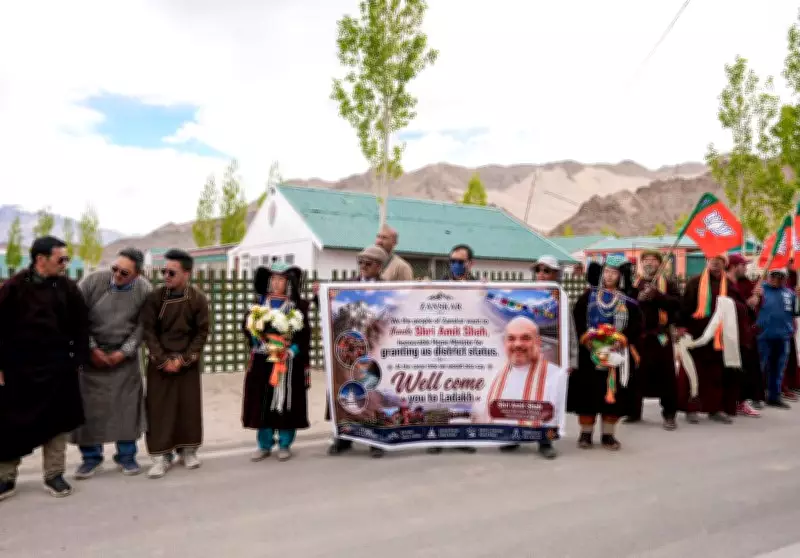
Ladakh, the high-altitude region in northern India, has been at the center of significant political and strategic developments since it was granted Union Territory status in 2019. This change has brought both opportunities and challenges for the region and the country as a whole.
Political Landscape
The reorganization of Jammu and Kashmir into two Union Territories was a landmark decision by the Indian government. For Ladakh, this meant direct administration from New Delhi, bypassing the state government. The move was aimed at improving governance and development in the region, which has long been neglected due to its remote location and harsh climate.
However, the transition has not been without controversy. Local political groups, such as the Leh Apex Body and the Kargil Democratic Alliance, have expressed concerns about the loss of autonomy and the potential for cultural and linguistic erosion. They have demanded statehood for Ladakh and constitutional safeguards under the Sixth Schedule to protect the region's unique identity.

Strategic Importance
Ladakh's strategic significance cannot be overstated. It shares borders with China and Pakistan, and the region has seen increased military presence in recent years, particularly after the 2020 Galwan Valley clash. The Indian government has invested heavily in infrastructure, including roads, airfields, and telecommunications, to bolster defense capabilities and ensure rapid troop deployment.
The creation of the Union Territory has streamlined administrative processes, allowing for quicker decision-making on security matters. However, the region's fragile ecology and limited resources pose challenges for sustainable development.
Economic Prospects
Ladakh's economy has traditionally relied on tourism, agriculture, and the military presence. The new status has opened up avenues for investment in renewable energy, especially solar and wind power, given the region's abundant sunlight and wind resources. The government has also promoted tourism through initiatives like the 'Ladakh Festival' and improved connectivity.
But the economic benefits have been unevenly distributed. While Leh has seen growth, Kargil remains underdeveloped. There is a need for balanced development that addresses the aspirations of both regions.
Social and Cultural Dynamics
Ladakh is home to a diverse population, including Buddhists in Leh and Shia Muslims in Kargil. The region has a history of peaceful coexistence, but the political changes have stirred debates about representation and resource allocation. The demand for reservation in jobs and education for locals has gained momentum.
The government has taken steps to preserve Ladakh's cultural heritage, such as promoting traditional crafts and languages. However, the influx of outsiders and modernization poses a threat to the region's unique way of life.
Way Forward
As Ladakh navigates its new status, several key issues need to be addressed. First, the demand for statehood and constitutional protections must be considered to ensure local participation in decision-making. Second, sustainable development models that balance economic growth with environmental conservation are crucial. Third, enhancing connectivity while preserving the region's fragile ecosystem is a delicate task.
The central government has shown commitment to Ladakh's development, but the path ahead requires dialogue between all stakeholders. The future of Ladakh will depend on how well these challenges are managed, and whether the region can emerge as a model for high-altitude development in India.






