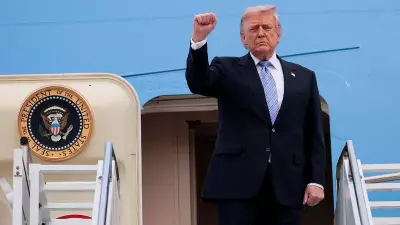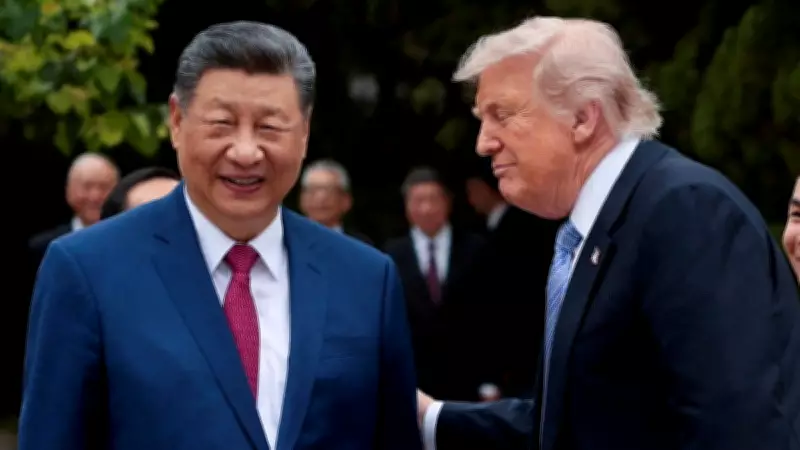
The White House issued a fact sheet on Sunday regarding former President Donald Trump's visit to China, emphasizing an agreement with Iran while notably omitting any reference to Taiwan. The document highlighted that China would address U.S. concerns over supply chain shortages related to rare earths, a critical component in various high-tech industries.
Key Points of the Fact Sheet
The fact sheet outlined several areas of cooperation between the United States and China during the visit. A significant portion was dedicated to the Iran agreement, where both nations pledged to work together to ensure stability in the Middle East. The document stated that China would play a constructive role in curbing Iran's nuclear ambitions and promoting regional peace.
Rare Earth Supply Chain
Another major focus was on rare earth elements, which are essential for manufacturing electronics, military equipment, and renewable energy technologies. The fact sheet noted that China, which dominates global rare earth production, agreed to alleviate supply chain bottlenecks that have affected U.S. industries. This commitment is seen as a step toward reducing American dependence on Chinese supplies in the long term.

Omission of Taiwan
Notably absent from the fact sheet was any mention of Taiwan, a longstanding point of contention in U.S.-China relations. The omission has raised eyebrows among analysts, as previous administrations have typically reaffirmed support for Taiwan's self-governance. The White House did not provide an explanation for why Taiwan was excluded from the document.
Reactions and Implications
Political observers have noted that the lack of reference to Taiwan may signal a shift in U.S. policy under Trump's leadership. Some experts argue that this could be a strategic move to prioritize economic and security agreements over territorial disputes. Others express concern that it might embolden China's stance on Taiwan's sovereignty.
The fact sheet also touched on other bilateral issues, including trade imbalances and intellectual property protections, but these were given less prominence. The visit, which took place amid ongoing tensions in the Indo-Pacific region, aimed to reset relations between the two superpowers.
Conclusion
The White House fact sheet underscores the complex dynamics of U.S.-China relations, balancing cooperation on global issues like Iran with economic dependencies on rare earths. The exclusion of Taiwan, however, suggests a deliberate focus on areas of mutual interest, potentially at the expense of longstanding diplomatic commitments. As the world watches, the implications of this visit will likely unfold in future negotiations and policy decisions.