White House Push for Direct Putin Talks For Ukraine Peace Fuels European Fears of Being Cut Out
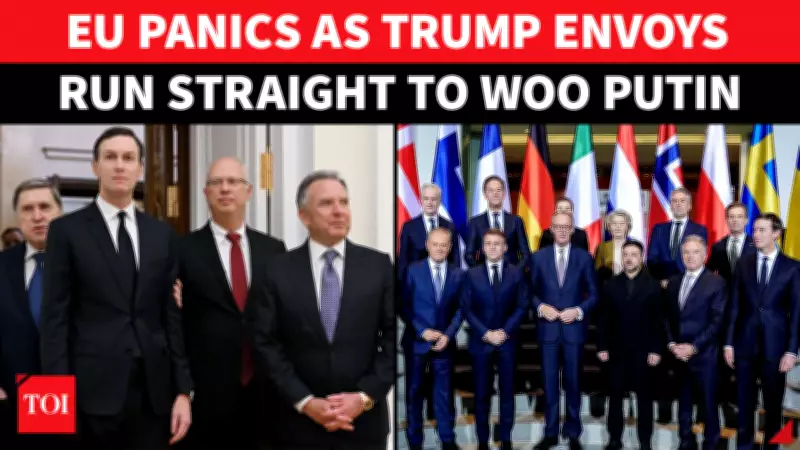
The future of European security is being hashed out directly between the White House and the Kremlin, leaving EU capitals in a state of absolute shock. Following a critical 55-minute telephone call between U.S. President Donald Trump and Russian President Vladimir Putin, special envoys Steve Witkoff and Jared Kushner are preparing a direct return to Moscow. Russian Foreign Minister Sergey Lavrov confirmed the bilateral breakthrough, tearing into European leaders at the G7 summit for trying to "Jesuitically" sabotage the peace framework established at the Anchorage, Alaska summit.
As Washington pivots toward a highly transactional approach to end foreign operations, Brussels faces a brutal ultimatum: fall in line with the U.S.-Russia roadmap or find itself entirely sidelined from the negotiations defining its own continent.
The development marks a dramatic shift in transatlantic relations, with European allies expressing deep concern over being excluded from talks that directly affect their security. The White House has not yet commented on the European backlash, but sources indicate that the administration views direct engagement with Moscow as the most efficient path to a ceasefire in Ukraine.

Meanwhile, Lavrov's remarks at the G7 highlighted growing tensions between Russia and European nations, accusing them of undermining peace efforts. The Anchorage framework, which reportedly includes territorial concessions and security guarantees, remains a contentious point among EU members.
As Witkoff and Kushner prepare for their Moscow trip, European leaders are scrambling to assert their relevance in the negotiation process. Some have called for an emergency EU summit to formulate a unified response, while others urge caution to avoid a complete breakdown in transatlantic unity.