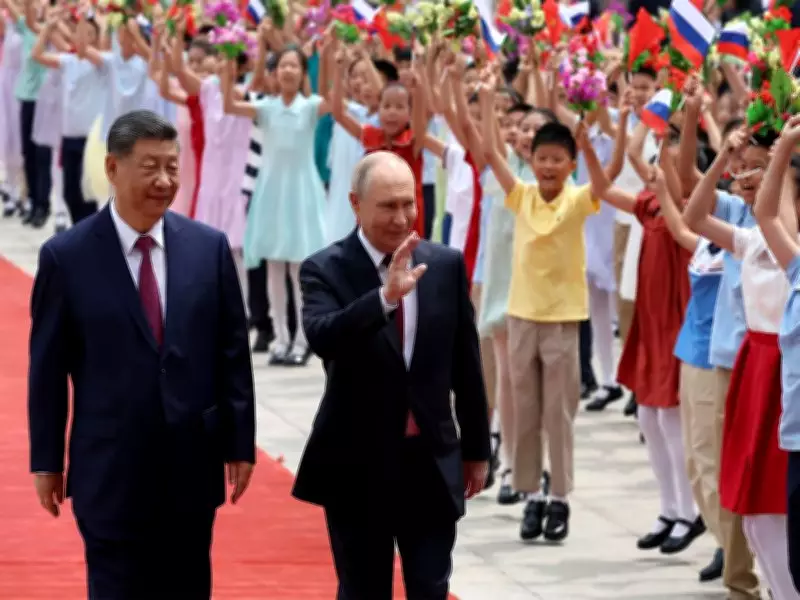
Chinese President Xi Jinping and Russian President Vladimir Putin held a comprehensive and candid meeting on the sidelines of a major international summit, underscoring the deepening strategic partnership between Beijing and Moscow. The tête-à-tête, which lasted longer than initially scheduled, covered a wide range of topics including bilateral trade, energy cooperation, and global security challenges.
Strengthening Bilateral Ties
The two leaders reaffirmed their commitment to enhancing cooperation in various sectors. They discussed the progress of joint infrastructure projects and the expansion of trade volumes, which have reached record levels despite global economic uncertainties. Both sides emphasized the importance of energy security, with Russia remaining a key supplier of oil and gas to China.
Global and Regional Issues
Xi and Putin exchanged views on pressing international matters, including the situation in Ukraine, the Middle East peace process, and the stability of the Asia-Pacific region. They expressed mutual support for each other's positions on sovereignty and territorial integrity, rejecting external interference in internal affairs. The leaders also coordinated their approaches within multilateral forums such as the United Nations and the Shanghai Cooperation Organization.

The meeting highlighted the growing alignment between China and Russia in countering Western influence. Both nations advocate for a multipolar world order and have deepened military and technological collaboration. Analysts view this partnership as a strategic counterbalance to the U.S.-led alliance system.
The dialogue concluded with an agreement to maintain regular high-level exchanges and to further institutionalize cooperation mechanisms. The personal rapport between Xi and Putin was evident, reflecting years of diplomatic engagement. This meeting is expected to pave the way for new initiatives in trade, investment, and cultural exchanges.
Observers note that the Xi-Putin axis continues to shape global geopolitics, with both leaders projecting unity in the face of shared challenges. The outcome of their talks is likely to influence upcoming decisions on energy markets, security arrangements, and international governance reforms.