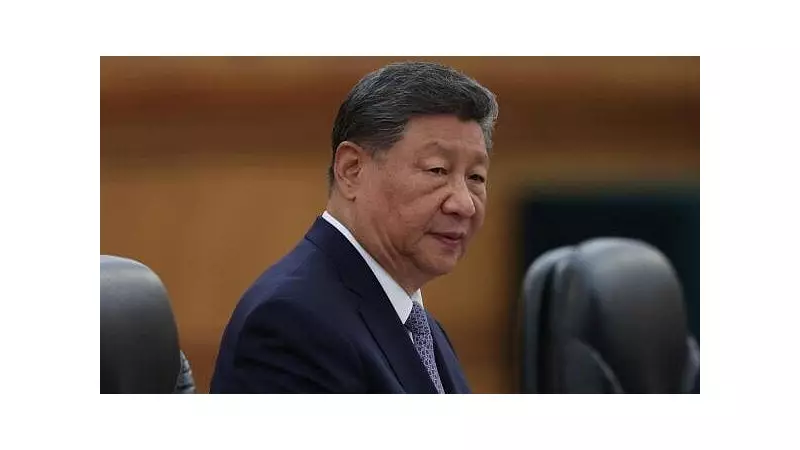
In a nationally televised address marking the arrival of 2026, Chinese President Xi Jinping delivered a strong message on national sovereignty, asserting that the reunification with Taiwan is an unstoppable historical trend. The speech, which also spotlighted a massive hydroelectric project on the Brahmaputra River, has drawn significant attention across Asia and beyond.
Core Message on Cross-Strait Ties
President Xi Jinping, in his New Year's message broadcast on December 31, 2025, emphasized the deep and inseparable connections between people in mainland China and Taiwan. He stated that Chinese people on both sides of the Taiwan Strait share a bond of blood and kinship. Framing reunification as a natural and inevitable process, Xi declared the move towards unification as 'unstoppable'. This rhetoric reinforces Beijing's longstanding position that Taiwan is an inalienable part of China's territory.
Spotlight on the $170 Billion Brahmaputra Dam Project
A notable feature of the presidential address was the highlighting of major infrastructure achievements, including a colossal dam project on the Brahmaputra River. Referred to as the Yarlung Tsangpo in Tibet, the river flows into India as the Brahmaputra and later into Bangladesh. Xi's mention of this $170 billion dam initiative underscores China's commitment to large-scale hydroelectric development. For India, which is a downstream riparian state, this project is a subject of considerable strategic and environmental concern, given its potential impact on water flow.

Regional Implications and Analysis
The dual focus of Xi Jinping's speech carries significant weight for regional geopolitics. The firm stance on Taiwan reiterates a core national priority for Beijing, likely shaping its diplomatic and military posture in the Indo-Pacific in the coming year. Simultaneously, the public emphasis on the Brahmaputra dam project signals China's intent to proceed with harnessing the river's resources. This development is closely monitored by Indian authorities, as it touches upon issues of water security, bilateral relations, and regional stability. The address, therefore, serves as a clear indicator of China's domestic and foreign policy directions for 2026.
Analysts suggest that the timing and content of the message are strategic, aimed at both a domestic audience affirming national strength and an international audience outlining China's unwavering positions. The intertwining of the Taiwan issue with a major infrastructure project on a transboundary river illustrates the multifaceted nature of contemporary geopolitical challenges in Asia.