10 Deadliest Female Animals That Are More Dangerous Than Males
In the animal kingdom, females are often the unsung heroes—or villains—of survival. While males may grab attention with flashy displays or aggressive posturing, it's frequently the females who wield the real power, from lethal defenses to ruthless hunting tactics. Here are ten female animals that prove why they should be feared more than males.
Bees and Wasps: The Female Defenders
In colonies of bees and wasps, females are the true guardians. Only females possess stingers, which are actually modified egg-laying organs called ovipositors. Males lack this defensive tool entirely. Female bees and wasps vigilantly protect their nests, food sources, and colonies with relentless aggression. Their stings deliver potent venom, and their drive to survive ensures the colony's functionality through sheer determination and lethal efficiency.
Female King Cobra: The Protective Predator
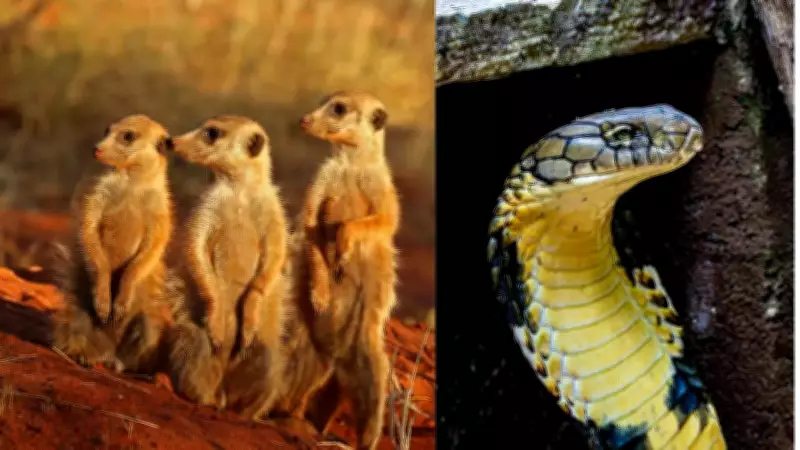
The female king cobra stands out as one of the deadliest snakes, combining length, venom, and maternal instincts. She builds nests for her eggs—a rare behavior among snakes—and her venom is powerful enough to kill up to 20 humans. Typically calm and preferring to flee, she becomes a formidable force when cornered or guarding her eggs. Her patience, size, and defensive instincts make her a dangerous predator, reminding us that protection can be just as deadly as aggression.

Bonobo: The Matriarchal Powerhouse
In bonobo societies, females dominate through matriarchal structures. They form coalitions to protect, defend, or even punish males, with aggressive males often facing attacks that can result in serious injuries. Despite their reputation for sexual play and relaxed behavior, female bonobos are powerful controllers of resources, access to mates, and social harmony. Their coordination, communication, and intimidation tactics ensure they run the show, determining peace or conflict within the troop.
Lioness: The Pride's True Hunter
The lioness is the backbone of the pride, responsible for most hunting activities. She coordinates with other females, using speed and stamina to take down large prey like wildebeest and zebra. While males may be called "kings," females handle the critical tasks of protecting cubs, hunting efficiently, and silently patrolling the savannah. Lionesses are fearless, striking quickly and even confronting humans when necessary. Their efforts ensure the pride's survival, proving that power isn't always obvious but is undeniably deadly.
Meerkat: The Ruthless Matriarch
Beneath their cute exterior, female meerkats hide a dark side. The matriarch rules her clan with an iron fist, bullying other females, killing or eating pups that aren't hers, and banishing mothers. Driven by survival and dominance, she is the sole breeder in the group, forcing others to help raise her offspring. Her aggression, combined with higher testosterone levels and size, gives her a significant edge in maintaining control.
Anglerfish: The Deep-Sea Ruler
In the ocean's depths, the female anglerfish reigns supreme. Males are tiny and exist only to find and fuse with her body, becoming parasitic appendages. She hunts using a bioluminescent lure to attract prey in pitch darkness, with sharp teeth and calculated movements. Unlike her male counterpart, she provides sustenance and ensures survival through patient, precise hunting. Her method is so effective that deep-sea predators often underestimate her lethal capabilities.
Green Anaconda: The Massive Matriarch
The female green anaconda is a giant among snakes, dwarfing males in both size and weight. During mating, she may gather multiple males in a "mating ball" that can last for weeks, with some males not surviving the ordeal. She fasts for months while gestating and gives birth to 20–30 live young. Her immense size and strength make her one of the world's most powerful snakes, using patience and ambush tactics to strike at the perfect moment.

Female Mosquito: The Tiny but Lethal Vector
Despite its small size, the female mosquito is one of the deadliest animals to humans. Unlike males, she feeds on blood to produce eggs, spreading diseases like malaria, dengue, and Zika. Malaria alone causes over 600,000 deaths annually, largely due to her bites. She doesn't intend to kill, but humans pay the price for her survival strategy. Her danger lies not in size but in what she carries, showing that even the smallest creatures can be devastating.
Praying Mantis: The Lethal Lady
The female praying mantis is larger than the male and often consumes him during or after mating to fuel her survival and reproduction. She will die shortly after laying eggs, leaving her offspring to fend for themselves. Despite her delicate, prayer-like stance, she is a fierce predator with lightning reflexes, hunting insects with precision. Her behavior highlights nature's brutality, proving that she is tiny but terrifying when it's time to feed.
Black Widow Spider: The Infamous Predator
The female black widow spider is notorious for the red hourglass marking on her black body. Males often don't survive long after mating, as females may consume them for nutrition to aid egg development. Though small, her bite can be serious, and she is designed by nature as both mate and predator. Fast, patient, and deadly, she serves as a reminder that in the world of spiders, size isn't everything when it comes to danger.
These examples underscore a fascinating truth in wildlife: female animals often possess traits—from defensive mechanisms to hunting prowess—that make them more dangerous than males. Whether through venom, strength, or strategic aggression, they play critical roles in their ecosystems, demanding respect and caution from humans.