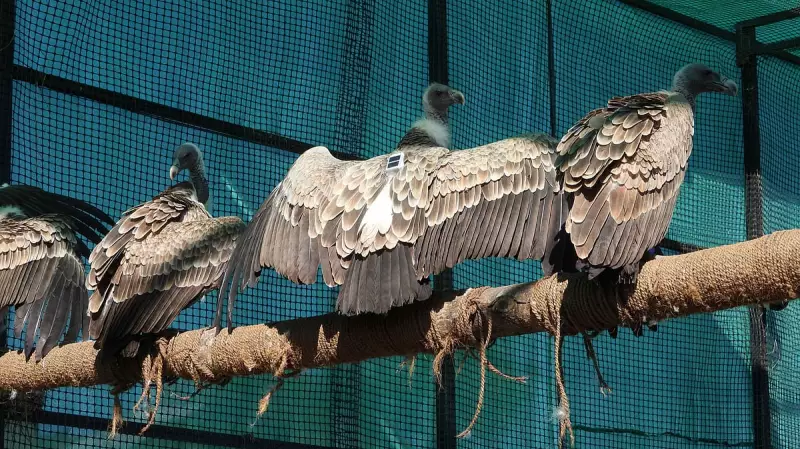
In a significant stride for wildlife conservation in India, a group of fifteen long-billed vultures has been successfully tagged and released into the wild at the Melghat Tiger Reserve in Maharashtra. This crucial initiative was carried out by the Bombay Natural History Society (BNHS), marking a pivotal moment in the efforts to revive the critically endangered species.
From Captive Breeding to the Wild: A Rewilding Journey
The fifteen vultures at the heart of this project have a unique origin story. They were all born and raised at the Vulture Conservation Breeding Centre in Pinjore, Haryana. This centre holds a special place in India's conservation history as it is the first such facility established by BNHS in the country. The careful rearing of these birds in a protected environment was the first critical phase, preparing them for eventual reintroduction to their natural habitat.
The tagging operation, which took place on 24 December 2025, is a sophisticated scientific process. By fitting the vultures with tags, researchers from BNHS can now monitor their movements, foraging patterns, and overall adaptation to the wild. This data is invaluable for understanding the challenges the birds face and for planning future conservation releases.

Why Melghat Tiger Reserve Was Chosen
The selection of Melghat Tiger Reserve as the release site is strategic. This protected area in Maharashtra offers a vast, forested landscape with suitable cliffs for nesting and roosting, which are essential for the long-billed vulture's survival. More importantly, the reserve provides a habitat with a reduced threat from diclofenac, the veterinary drug responsible for the catastrophic decline in vulture populations across the Indian subcontinent.
The successful tagging and release represent the culmination of years of dedicated work. It transitions the birds from a life in a conservation breeding centre to one of freedom, where they can fulfil their vital ecological role as nature's scavengers.
A Hopeful Future for India's Vultures
This project is more than just releasing fifteen birds; it is a beacon of hope for the entire species. The long-billed vulture, along with other vulture species, faced near-total collapse due to poisoning. The BNHS-led programme, starting from Pinjore and now reaching Melghat, demonstrates a proven, science-based model for species recovery.
The key outcomes and next steps of this initiative include:
- Population Recovery: Directly contributing to increasing the wild population of the critically endangered long-billed vulture.
- Ecological Balance: Restoring the vital scavenging role vultures play, which helps prevent the spread of diseases from animal carcasses.
- Conservation Blueprint: The lessons learned from tagging and monitoring these fifteen vultures will inform and improve future rewilding programmes across India.
The event on 24 December 2025 stands as a testament to the persistent efforts of conservationists. It underscores the importance of captive breeding, safe habitats, and continuous monitoring in pulling a species back from the brink of extinction.