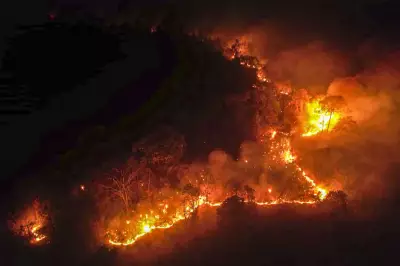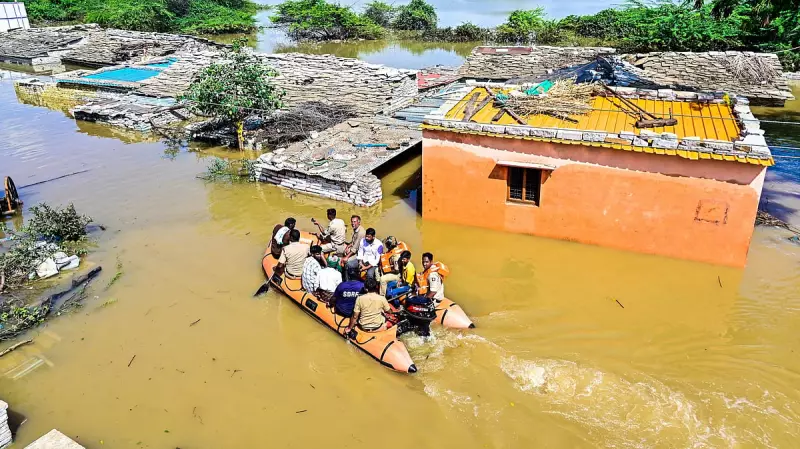
The staggering economic toll of global climate disasters has crossed a sobering threshold in 2025, exceeding $120 billion, according to a recent report. The findings underscore a harsh reality: the escalating financial and human cost of a crisis that experts argue could have been mitigated with decisive action to slash greenhouse gas emissions.
The Soaring Price Tag of Inaction
The report, which consolidates data from major global disasters throughout the year, paints a clear picture of the consequences of delayed climate policy. Communities worldwide are bearing the brunt of more frequent and severe weather events, from devastating floods and cyclones to prolonged droughts and wildfires. The $120 billion figure represents not just insured losses but also the immense burden on public infrastructure, agriculture, and livelihoods, a cost disproportionately shouldered by vulnerable populations.
Human and Economic Fallout
Behind the colossal financial number lies a deeper narrative of displacement, loss of life, and shattered economies. The analysis stresses that the cost of climate inaction is equally clear, translating into higher food prices, increased national debt from reconstruction, and setbacks in development goals. The window for urgent action to reduce greenhouse gas emissions is narrowing, with each year of delay locking in more dangerous warming and guaranteeing even higher costs in the future.

A Call for Urgent Global Response
The report, credited to Mrityunjay Bose and published on 29 December 2025, serves as a critical reminder that economic arguments for climate mitigation are now irrefutable. Investing in renewable energy, resilient infrastructure, and nature-based solutions is no longer just an environmental imperative but a financial one. The evidence suggests that the funds spent on disaster recovery far outweigh the investments needed for a proactive, low-carbon transition.
As the world reflects on the data from 2025, the message is unambiguous: continued inaction is the most expensive path forward. The report concludes that averting the worst impacts requires an immediate, coordinated global effort to decarbonize economies and build adaptive capacity, turning the tide on a crisis of our own making.