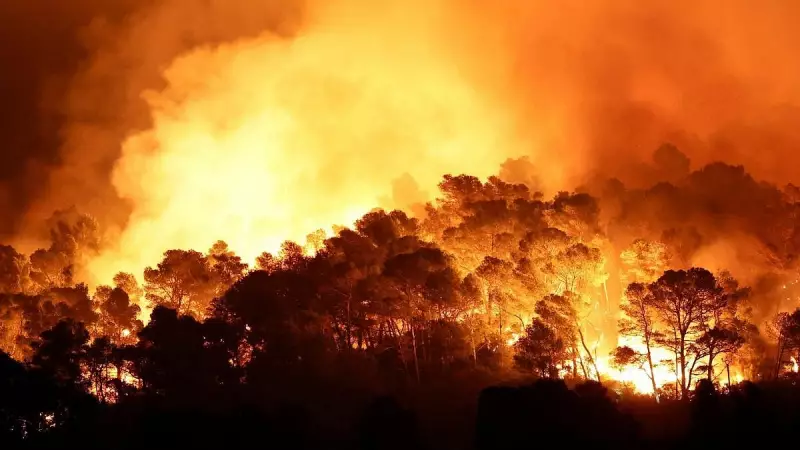
A sobering new assessment has quantified the staggering economic toll of climate-fuelled catastrophes across the globe for the year 2025. The report highlights that a relentless series of heatwaves, wildfires, severe droughts, and powerful storms collectively inflicted financial damages exceeding USD 120 billion.
Asia Bears the Brunt with Catastrophic Flooding
The analysis underscores the disproportionate impact on the Asian continent. Notably, four of the top six most financially devastating disasters of the year occurred in Asia. The most tragic and costly event for the region was the widespread flooding that devastated neighbouring nations India and Pakistan.
This catastrophic deluge resulted in a heartbreaking loss of life, claiming the lives of more than 1,860 people. The economic cost was equally massive, with estimates reaching up to $6 billion. The human scale of the disaster was immense, with more than 7 million people affected in Pakistan alone, highlighting a crisis of displacement, destroyed livelihoods, and shattered infrastructure.

A Pattern of Escalating Extreme Weather
The 2025 data fits into a alarming pattern of intensifying and frequent extreme weather events linked to a warming planet. While the floods in South Asia were particularly deadly, the report also accounts for the crippling costs from simultaneous crises elsewhere. Raging wildfires, often exacerbated by prolonged heatwaves and droughts, consumed vast landscapes and communities, while intense storms battered coastlines and inland areas, leading to billions in repair and recovery costs.
Conclusions and the Road Ahead
The findings present a clear and urgent financial argument for accelerated global climate action and investment in resilience. The $120 billion plus price tag for 2025 represents not just insured losses but deep, long-term economic setbacks for affected countries, particularly developing nations. The severe impact on India and Pakistan serves as a stark reminder of the vulnerability of densely populated regions to hydrological extremes. Experts conclude that without significant mitigation and adaptation strategies, such annual economic shocks from natural disasters will likely become a grim norm, straining national budgets and human security.
The report, detailed by Reuters and published on 27 December 2025, adds critical weight to the call for transforming early warning systems, reinforcing infrastructure, and fundamentally addressing the root causes of climate change to prevent future losses on such a scale.