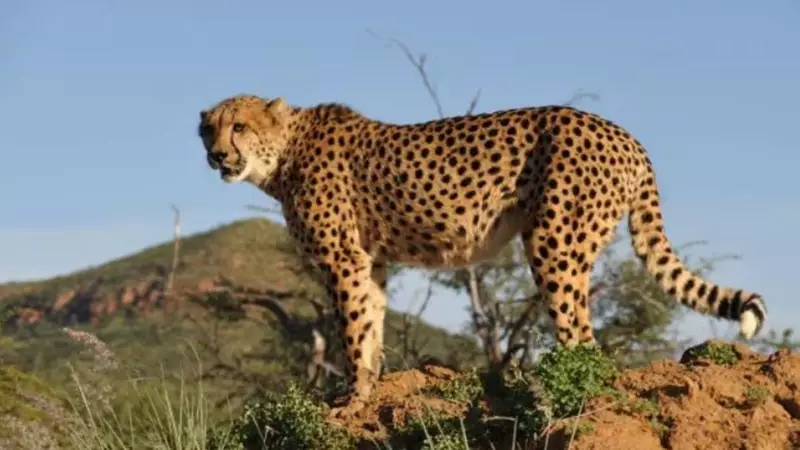
India is on the verge of welcoming a new batch of African cheetahs, with authorities working to secure final permissions for the translocation of five big cats from Botswana. The cheetahs, currently held in quarantine in the African nation, are expected to make their journey to India in the early months of 2025, specifically between January and February, according to official sources.
Logistical Hurdles and Permissions in Progress
The critical task currently underway involves arranging suitable aircraft to transport the cheetahs to their new Indian home. The final destination is yet to be confirmed, with both Kuno National Park and the Gandhi Sagar wildlife sanctuary in Madhya Pradesh under consideration. Alongside transportation logistics, Indian authorities are actively obtaining the necessary export permits under the Convention on International Trade in Endangered Species (CITES), which is mandatory for moving endangered species across international borders.
A source familiar with the developments stated that if the process remains on track, all required clearances, including those for logistics and transportation, should be secured within the January-February window. Furthermore, permissions from the Department of Animal Husbandry will be needed for post-arrival quarantine procedures once the cheetahs land in India.

Botswana's Commitment and Delegation Visit
This translocation initiative stems from a formal announcement made by Botswana during President Droupadi Murmu's state visit in November 2024. President Murmu and Botswana's President Duma Gideon Boko symbolically marked the donation of eight cheetahs to India during a visit to the Mokolodi Nature Reserve on November 13. There, they witnessed cheetahs captured from the Ghanzi region being moved into a quarantine facility.
Following this high-level commitment, a three-member official delegation from Botswana visited India earlier in December. The delegation, which included veterinarians and an anti-poaching expert, assessed the facilities at both Kuno National Park and Gandhi Sagar sanctuary. They later held discussions with the National Tiger Conservation Authority in Delhi to solidify the partnership under Project Cheetah.
India's Preparedness and Current Cheetah Population
Indian authorities have expressed readiness to receive the new feline guests. Uttam Kumar Sharma, the director of Kuno National Park, confirmed that the Botswana delegation was shown how the existing cheetah populations are managed at both potential sites. He emphasized that all necessary preparations are complete for the arrival of the next batch.
Currently, India's cheetah population stands at 27 adults across the two reserves. Fourteen cheetahs roam freely in the wilds of Kuno National Park, while another 13 are housed in enclosures. Gandhi Sagar sanctuary is currently home to three cheetahs. The addition of five cheetahs from Botswana, which boasts one of the world's largest wild cheetah populations estimated at 1,700 to 2,000, is a significant step for India's ambitious reintroduction program aimed at re-establishing a viable cheetah population in the country.