

Karnataka Records 53 Fatalities in Human-Animal Conflicts, Southern Districts Worst Hit
Official statistics have revealed a tragic toll of human-animal conflicts in Karnataka, with 53 lives lost during the previous fiscal year 2025-26. The southern districts of the state have emerged as the epicenter of this crisis, accounting for the majority of these fatal encounters.
Southern Districts Bear the Brunt of Attacks
Forest Minister Eshwar B Khandre, responding to a legislative query from MLA Harish Punja, confirmed the statewide death count. A detailed breakdown shows that the districts of Kodagu, Mysuru, and Chamarajanagar together reported 30 of the total 53 fatalities, underscoring the severe concentration of incidents in this region.
Kodagu district was the most affected, recording 12 human deaths due to animal attacks. Chamarajanagar and Mysuru districts each reported nine fatalities. This data paints a clear picture of a worsening situation in forest-fringe and rural areas, where interactions between humans and wildlife are increasingly turning deadly.

Multiple Species Involved in Fatal Encounters
The human-animal conflict in Karnataka involves several dangerous species, each presenting unique challenges:
- Tiger attacks have been particularly alarming. In one notable incident in 2025, three people were killed and one severely injured in tiger attacks within just three weeks, prompting the forest department to temporarily close tiger safaris in Bandipur and Nagarahole Tiger Reserves. Experts note that injured, elderly, or displaced tigers may exhibit more aggressive behavior toward humans.
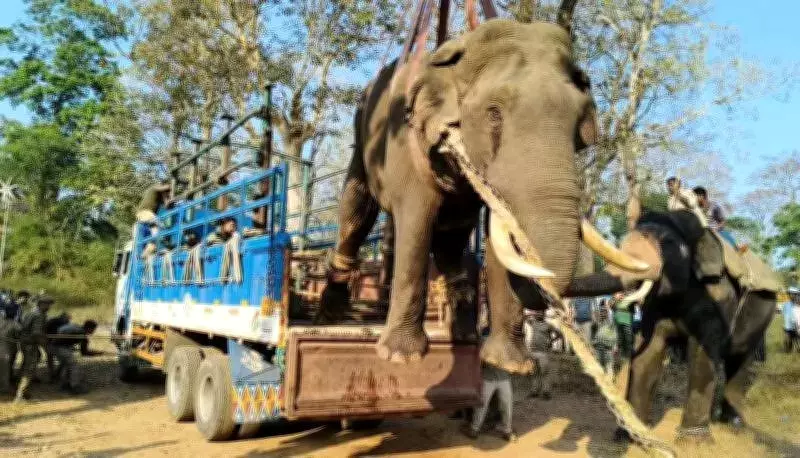
- Elephant attacks represent another major cause of fatalities. These often occur during nighttime crop-raiding incidents, when villagers attempt to chase elephants away from their fields, creating highly dangerous confrontations.
- Leopard attacks frequently happen near human settlements. These adaptable predators thrive in human-dominated landscapes, often hiding in sugarcane fields, scrub vegetation, or rocky areas close to residential zones.
Growing Concerns Over Habitat Pressure and Safety
The concentration of deaths in Karnataka's southern belt has raised significant concerns among officials and residents alike. The pattern suggests increasing pressure on wildlife habitats and expanding human settlements near forest boundaries, creating more opportunities for dangerous encounters.
HD Kote MLA Anil Chikkamadu has specifically requested fencing along forest borders to prevent human deaths from animal attacks, highlighting the urgent need for physical barriers in vulnerable areas.
Calls for Enhanced Preventive Measures
The alarming statistics have underscored the critical need for more robust interventions. Forest officials and community leaders emphasize several necessary steps:
- Stronger preventive measures to reduce encounters between humans and dangerous wildlife
- Quicker emergency response systems to address incidents when they occur
- Better coordination between forest department personnel and local communities
- Habitat management strategies to address wildlife movement patterns and reduce conflict zones
The data from 2025-26 serves as a stark reminder of the human cost of human-animal conflicts in Karnataka. As development continues to bring people closer to wildlife habitats, finding sustainable solutions that protect both human lives and animal populations remains an urgent priority for the state government and conservation authorities.






