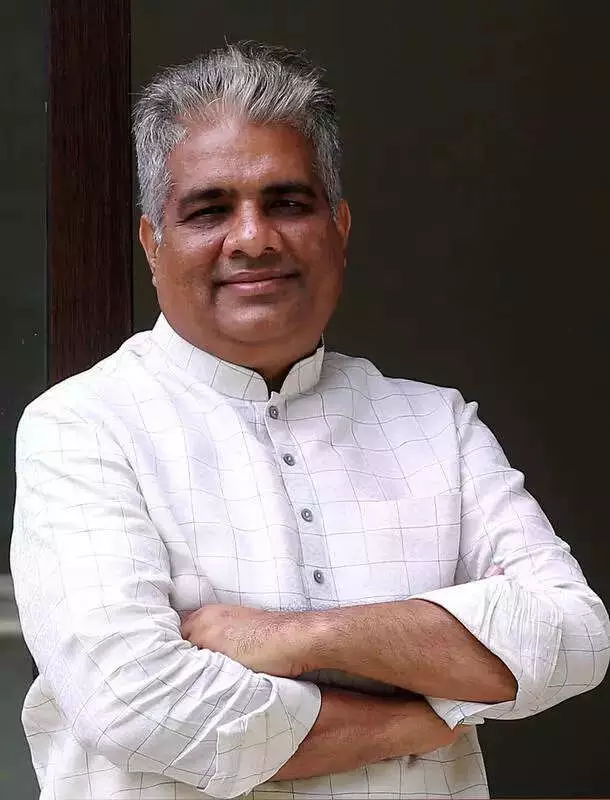
In a significant push to combat the annual air pollution crisis in North India, Union Minister for Environment, Forest and Climate Change Bhupender Yadav has called for ensuring all crop residue management (CRM) machines are fully operational. The directive came during a high-level review meeting in New Delhi on Tuesday focused on the action plan for Delhi-NCR's air quality.
Key Directives for Effective Crop Residue Management
Minister Yadav emphasized the critical need for all CRM machines to be in perfect working condition for efficient use during the harvesting seasons. He proposed that standard operating procedures (SOPs) be developed for certifying machines that are fit for service. The minister urged the Ministry of Agriculture to brainstorm innovative mechanisms in consultation with farmers and other stakeholders to manage crop residue effectively and provide viable alternatives to stubble burning.
Promising Data and Sustainable Solutions
The meeting reviewed encouraging data from Punjab, which has witnessed a notable 53% decrease in stubble burning incidents this paddy harvesting season. Official figures show 5,114 cases were recorded till November 30, 2025, compared to 10,909 cases during the same period in 2024.

To build on this progress, several sustainable solutions were highlighted:
- Pelletisation Plants: Encouraging the establishment of plants to convert crop residue into pellets for use as fuel.
- Utilisation in Industry: Promoting the use of crop residue in thermal power plants and brick kilns.
- Compressed Bio Gas (CBG) Plants: Emphasised as the most environment-friendly solution for managing agricultural waste.
- Drone Surveillance: The use of drone-based monitoring was encouraged to deter and detect instances of crop residue burning.
High-Level Participation in the Review
The crucial meeting saw participation from top officials of the Union government and state representatives. Attendees included the Secretary of Environment, Forest and Climate Change, the Secretary of Agriculture and Farmers' Welfare, and the Chairman of the Commission for Air Quality Management (CAQM). Senior officers from the Union ministries of Housing and Urban Development, and Heavy Industries were also present.
Representation from regulatory bodies included senior officers from the Central Pollution Control Board (CPCB) and the State Pollution Control Board. Officials from the state governments of Punjab and Rajasthan, key regions in the stubble burning issue, also participated in the deliberations.
The concerted push for machine readiness, coupled with the promotion of alternative residue utilisation methods, signals a multi-pronged strategy to tackle the root causes of seasonal air pollution in the capital region.