

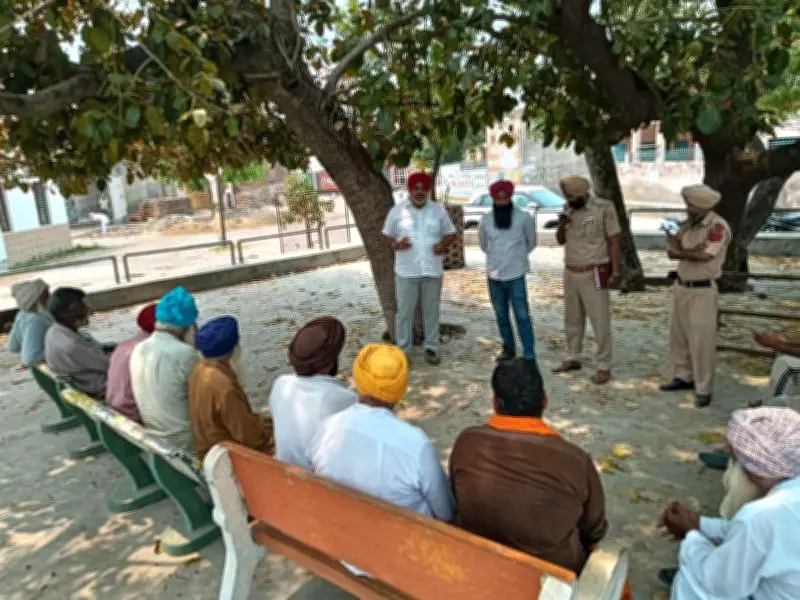
In a significant move to combat stubble burning, the Barnala district administration has issued show-cause notices to 70 officials for dereliction of duty. The action comes as part of a stringent drive to prevent the practice, which contributes heavily to air pollution in the region.
Administration Takes Stern Action
The notices were served to officials from various departments, including agriculture, revenue, and rural development, who were found negligent in their responsibilities to curb stubble burning. District Magistrate Barnala, Mr. Tej Partap Singh Phoolka, confirmed the development and emphasized that no laxity would be tolerated in implementing the ban on stubble burning.
Reason Behind the Crackdown
Stubble burning has been a persistent issue in Punjab, leading to severe air quality deterioration in the state and neighboring regions like Delhi. Despite multiple awareness campaigns and strict regulations, farmers continue to burn crop residue, often due to lack of viable alternatives. The administration holds field officials accountable for failing to educate farmers and enforce the law effectively.

Impact on Local Administration
The show-cause notices demand an explanation from the officials within a stipulated time frame. Failure to provide a satisfactory response could lead to disciplinary action, including salary deductions or suspension. This move is expected to send a strong message across the district, prompting officials to be more vigilant and proactive in preventing stubble burning.
Government's Efforts to Curb Stubble Burning
The Punjab government has been implementing various measures to tackle stubble burning, including the promotion of in-situ management of crop residue, providing subsidized machinery to farmers, and imposing fines on violators. However, the effectiveness of these measures often hinges on the ground-level implementation by local officials.
Farmers' Perspective
Farmers argue that the short window between harvesting paddy and sowing wheat leaves them with limited options, making stubble burning a quick and cost-effective solution. They demand better support from the government, such as timely availability of machinery and financial incentives to adopt alternative methods.
Environmental Consequences
Stubble burning releases harmful pollutants like particulate matter, carbon monoxide, and volatile organic compounds, contributing to smog and health issues. The practice is particularly rampant in October and November, exacerbating air pollution in northern India.
Way Forward
The administration's decision to hold officials accountable is a step in the right direction. However, a lasting solution requires a collaborative approach involving farmers, government agencies, and technology providers. Strengthening the supply chain for crop residue management and providing economic incentives for non-burning methods could help mitigate the problem.






