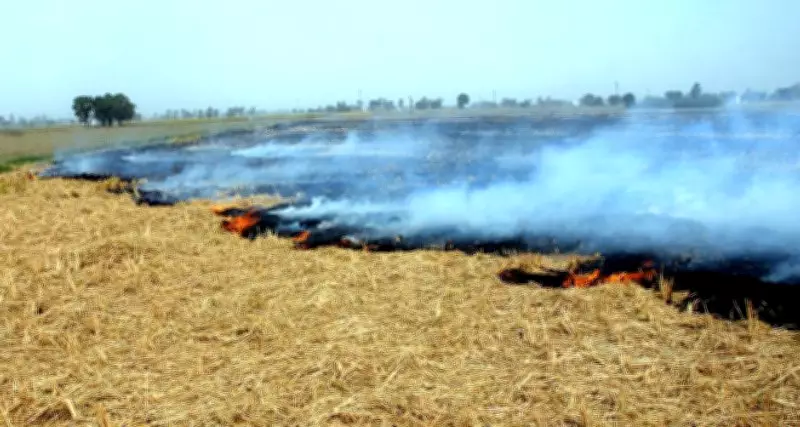
Jalandhar has witnessed 88 cases of wheat stubble burning, according to official reports. The district administration has taken cognizance of the incidents and is implementing measures to curb the practice, which is a major contributor to air pollution in the region.
Details of Stubble Burning Incidents
The cases were reported from various parts of the district, with farmers resorting to burning crop residue after the wheat harvest. This practice, despite being banned, continues due to lack of affordable alternatives for residue management. The authorities have identified the hotspots and are conducting awareness campaigns to educate farmers about the harmful effects of stubble burning.
Environmental and Health Impact
Stubble burning releases large amounts of particulate matter, carbon monoxide, and other pollutants, leading to a spike in air pollution levels. This exacerbates respiratory problems and other health issues among residents. The smoke also contributes to smog formation, affecting visibility and overall air quality.

Government Measures
The Punjab government has been promoting the use of in-situ management techniques, such as the use of happy seeders and other machinery, to manage crop residue without burning. Financial incentives and subsidies are being provided to farmers to adopt these eco-friendly methods. However, the adoption rate remains low due to high costs and lack of awareness.
District authorities have formed teams to monitor and report stubble burning incidents. Legal action is being taken against violators, including fines and registration of criminal cases. The administration is also working with local panchayats and farmer organizations to spread awareness about the long-term benefits of sustainable farming practices.
Challenges and Way Forward
Despite efforts, stubble burning remains a persistent issue in Punjab. The short window between harvesting and sowing of the next crop leaves farmers with limited options. To address this, the government is encouraging diversification of crops and promoting short-duration varieties. Additionally, establishing custom hiring centers for farm machinery can help small and marginal farmers access affordable equipment.
Community participation and strict enforcement of laws are crucial to tackling this problem. The Jalandhar district administration has urged farmers to cooperate and adopt alternative methods to protect the environment and public health.