Impact investor Aavishkaar Group is strategically pivoting its approach to funding climate solutions in India. The group is now seeking a balance between long-duration, nature-based carbon removal projects and climate-technology investments that promise quicker financial returns. This recalibration aims to align investor expectations with the varied timelines of different climate interventions.
From Closed-End Funds to Permanent Capital
The cornerstone of this shift is a move away from traditional investment structures. In 2024, the group established Aavishkaar Carbon as a permanent capital vehicle. This entity is dedicated to investing in agroforestry—growing trees on Indian farmland to capture and store atmospheric carbon, which is then monetized through carbon credit markets.
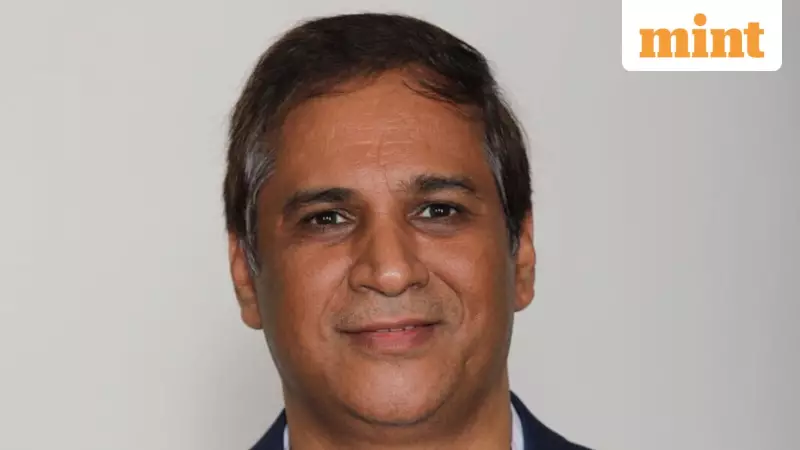
This structure directly addresses a core challenge in natural carbon sequestration. Tree growth and carbon capture follow a 20-year biological cycle, whereas conventional closed-end funds typically have a 10-year lifespan. As explained by founder Vineet Rai, a traditional fund would force an exit just as the trees reach peak sequestration and value. The permanent vehicle allows the asset to be held through its full economic lifecycle.

The firm has already garnered significant interest for this approach, securing $150 million in soft commitments from global corporations, including major oil and technology companies. These firms are interested in purchasing the resulting carbon credits to offset their emissions. Credits from such projects can trade between $15 and $100 in global markets.
Integrating Short-Cycle Climate Tech
While building its long-term carbon portfolio, Aavishkaar is simultaneously expanding into climate technologies with faster turnaround times. This diversifies its strategy and offers investors opportunities with more familiar risk and return profiles.
Santosh Singh, Managing Director at Intellecap (Aavishkaar's advisory arm), notes that sectors like electric mobility, while climate-aligned, are mature and well-understood by investors. To complement its agroforestry bets, the group is now exploring interventions like biochar production and Alternative Wetting and Drying (AWD) techniques in agriculture.
These projects can demonstrate measurable outcomes in a much shorter period—biochar in a few years and AWD in just two to three years. This creates a blended portfolio of carbon solutions with varying time horizons, reducing the risk of locking all capital into multi-decade projects.
Navigating the Carbon Market Landscape
The strategy highlights a vast pricing disparity within the carbon removal sector. Vineet Rai points out that while a tonne of carbon sequestered by a tree might earn around $10, technology-based carbon removal solutions can command prices as high as $1,000 per tonne. This stark difference reflects buyer willingness to pay for engineered, verifiable solutions.
To further bridge the gap between long-term projects and private capital, Aavishkaar is exploring innovative financial instruments. The group has piloted carbon-credit-linked bonds in markets like Kenya. These bonds allow private investors to gain exposure to carbon markets through familiar debt structures, with returns linked to the generation of verified carbon credits. The firm sees potential to replicate this model in India.
This strategic shift occurs against the backdrop of India's enormous climate financing needs. A recent Deloitte report estimates the country requires approximately $1.5 trillion by 2030 for clean energy, transport, and climate-resilient infrastructure. Concurrently, Indian climate-tech startups raised nearly $1.95 billion in the first ten months of 2025, signaling growing investor momentum in the sector.