

Abandoned US Coal Mines Could Become Massive 'Water Batteries' for Clean Energy Storage
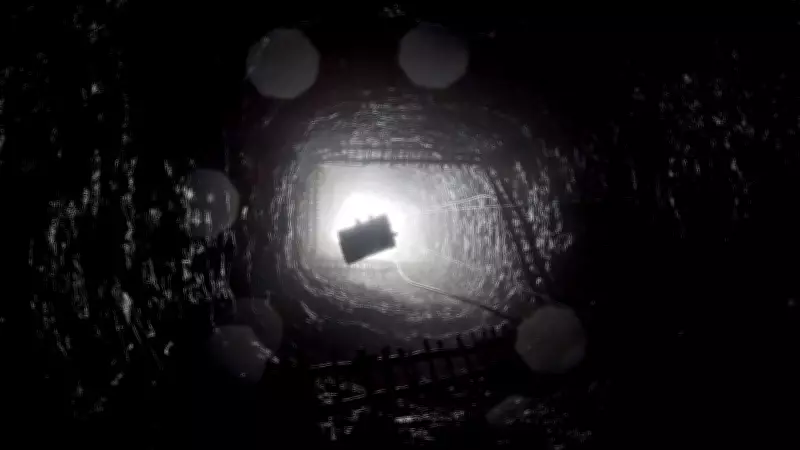
Across the United States, thousands of abandoned coal mines lie dormant beneath the surface, remnants of an industrial era that once powered cities and factories. For decades, these sites have been viewed primarily as environmental liabilities, costly to maintain and challenging to repurpose. However, a groundbreaking initiative by scientists at Oak Ridge National Laboratory is now exploring how these underground networks could be transformed into massive "water batteries" for storing clean energy.
How Pumped Storage Hydropower Works
Energy storage remains one of the most significant hurdles in the transition to renewable power sources like solar and wind, which generate electricity intermittently. Pumped storage hydropower addresses this by using water moved between two reservoirs at different elevations. During periods of low demand or high renewable output, electricity pumps water uphill to an upper reservoir. When energy is needed, the water flows back down through turbines to generate power. This technology already accounts for over 90% of utility-scale energy storage in the United States, but its expansion has been limited by the need for mountainous terrain to create the necessary height difference.
Repurposing Mines for Energy Storage
Researchers at Oak Ridge National Laboratory propose using abandoned coal mines as a solution to this terrain limitation. Instead of constructing new reservoirs on mountainsides, the lower reservoir could be situated deep within existing mine shafts, which often extend hundreds of meters below ground. This vertical distance provides the pressure required to spin turbines and generate electricity, potentially reducing construction costs and environmental impact on the surface. By leveraging pre-existing tunnels and shafts, development timelines could be accelerated, making energy storage more accessible in regions lacking traditional hydropower sites.

Challenges and Innovations in Mine Reuse
Repurposing coal mines for pumped storage is not without challenges. Minerals left from decades of mining can react with water, leading to corrosion that could damage expensive turbine equipment. To mitigate this, the Oak Ridge team has developed advanced hydrodynamic and chemical modeling tools. These simulations analyze water movement through mine tunnels and interactions with surrounding minerals, helping engineers identify risks and design systems to prevent corrosion or structural failures, such as tunnel collapses under pressure.
Economic and Symbolic Impact on Mining Communities
For communities historically dependent on coal mining, this initiative offers both symbolic and practical benefits. Transforming these sites from environmental burdens into clean energy infrastructure could create new jobs in engineering, maintenance, and technical roles, providing a small but meaningful economic boost in regions affected by mining decline. While it is too early to predict large-scale employment, the prospect of turning liabilities into assets is particularly appealing in areas where abandoned mines already require ongoing monitoring and upkeep.
In summary, the research at Oak Ridge National Laboratory represents a promising step toward innovative energy storage solutions. By repurposing abandoned coal mines, this approach could not only enhance grid reliability with renewable energy but also breathe new life into communities shaped by the coal industry, marking a potential shift in how we view legacy industrial sites.






