CBSE Cancels Remaining Class 12 Board Exams in West Asia Amid Regional Conflict
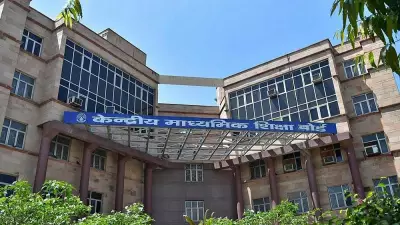
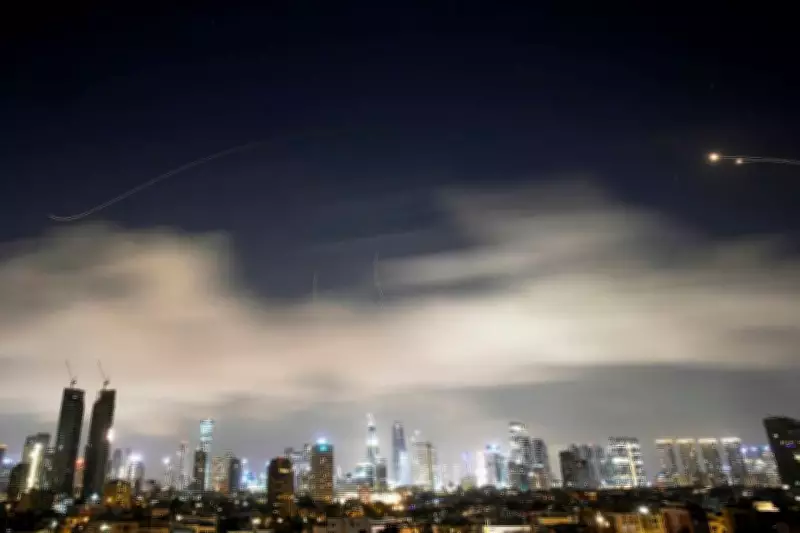
The Central Board of Secondary Education (CBSE) has taken a decisive step by cancelling the remaining Class 12 board examinations in the West Asia region. This significant announcement comes in response to the escalating tensions and security concerns arising from the ongoing conflict involving Iran, the United States, and Israel. The board's primary focus is on ensuring the safety and well-being of students, teachers, and examination staff during this volatile period.
Immediate Impact on Students and Schools
The cancellation affects all pending Class 12 board exams scheduled to be held in West Asian countries. This decision was made after careful consideration of the unpredictable security situation, which poses potential risks to the conduct of examinations. Schools affiliated with CBSE in the region have been officially notified, and they are now required to implement alternative assessment methods to evaluate students' performance for the academic year.
Key reasons for the cancellation include:

- Heightened security threats due to military actions and diplomatic strains in the region.
- Concerns over the safety of students traveling to examination centers.
- The need to prevent disruptions that could compromise the integrity of the examination process.
Alternative Assessment Measures
In light of the exam cancellations, CBSE has directed schools to adopt internal assessment criteria to determine final grades for Class 12 students. This may involve evaluating students based on their performance in pre-board exams, practical assessments, and project work completed throughout the academic year. The board has assured that these measures will be fair and transparent, aiming to minimize academic disruption for affected students.
"The safety of our students is paramount, and we cannot compromise on it," stated a senior CBSE official. "We are working closely with schools to ensure that students' academic progress is not hindered by these unforeseen circumstances."
Broader Implications for Education in Conflict Zones
This incident highlights the challenges faced by educational institutions operating in regions affected by geopolitical conflicts. It underscores the importance of having contingency plans in place to address such emergencies. The CBSE's proactive approach may set a precedent for other educational boards dealing with similar situations globally, emphasizing the need for flexibility and student-centric policies during crises.
Parents and students have expressed mixed reactions, with many appreciating the board's concern for safety, while others worry about the impact on college admissions and future academic opportunities. However, CBSE has reiterated its commitment to supporting students through this transition, with plans to provide guidance on higher education pathways and career options.
As the conflict in West Asia continues to evolve, the education sector remains vigilant, prioritizing the protection of young learners above all else. This decision reflects a broader trend of adapting educational practices to navigate complex global challenges, ensuring that learning continues even in the face of adversity.