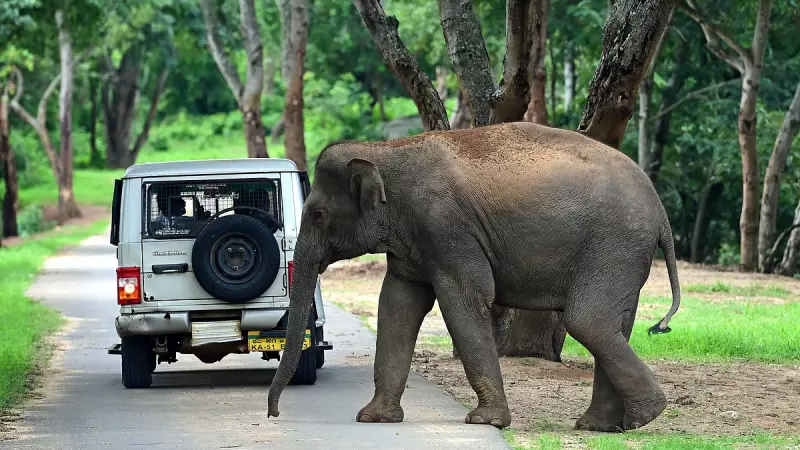
In a significant move for wildlife conservation, environmental activists have approached the Supreme Court of India. Their petition challenges the recent reduction of the protective buffer zone surrounding the Bannerghatta National Park (BNP) on the southern fringes of Bengaluru.
What is the Bannerghatta National Park?
The Bannerghatta National Park spans a crucial 260.51 square kilometres and acts as a vital green lung for India's tech capital. This protected area is not just a park; it serves as the terminal point for the expansive Mysore Elephant Reserve. Its diverse ecosystems provide a home to an impressive array of fauna, including majestic tigers, elusive leopards, wild dogs (dhols), sloth bears, and numerous other species.
The Core of the Legal Challenge
The legal action, filed on January 2, 2026, centres on the alarming shrinkage of the park's buffer zone. Activists argue that this reduction poses a direct and severe threat to the park's fragile ecology. Buffer zones are critical for several reasons:

- They create a transition area between fully protected core habitats and human settlements.
- They help mitigate human-wildlife conflict by providing space for animal movement.
- They reduce the impact of urban noise, pollution, and encroachment on the core forest area.
The petitioners contend that shrinking this buffer undermines the very purpose of the national park and violates environmental protection laws.
Implications and the Road Ahead
The case has far-reaching consequences for Bengaluru's environmental future. A smaller buffer zone could lead to increased confrontations between animals and the rapidly expanding city. It also raises concerns about habitat fragmentation, which can isolate animal populations and reduce genetic diversity.
The Supreme Court's intervention is now sought to halt the buffer zone reduction and enforce stricter protections. The outcome of this case could set a precedent for how India balances urban development pressures with the imperative of conserving its critical natural heritage. The activists' move underscores a growing public demand for safeguarding ecological treasures like Bannerghatta for future generations.