US Expands Pentagon List, Targeting Major Chinese Tech Giants
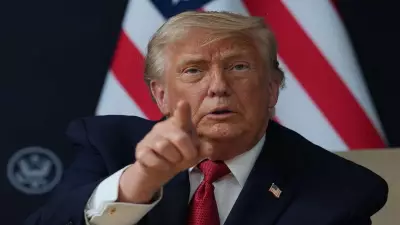
In a significant escalation of economic pressure, the administration of former US President Donald Trump has added several prominent Chinese corporations to a Pentagon compilation of companies allegedly supporting China's military. This strategic move, reported by Reuters, intensifies friction between Washington and Beijing, coinciding with an anticipated meeting between the nations' leaders.
Key Additions and Implications
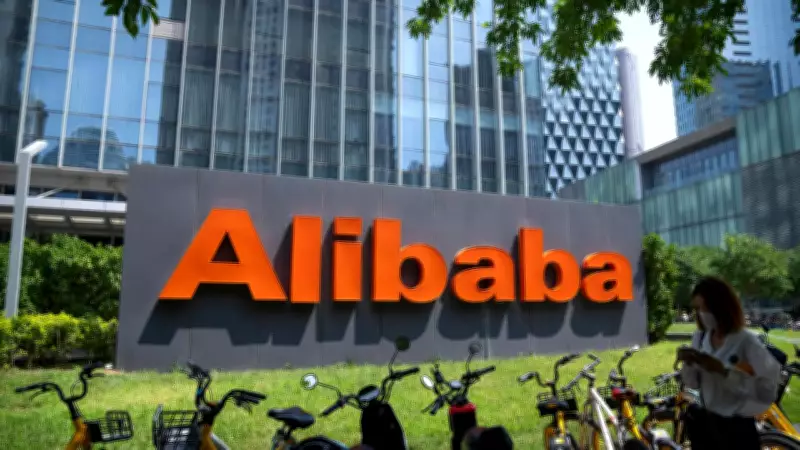
The updated Pentagon 1260H list now includes e-commerce titan Alibaba, search engine leader Baidu, electric vehicle manufacturer BYD, biotechnology firm WuXi AppTec, and AI robotics company RoboSense Technology Co Ltd. While the list does not impose direct sanctions, it triggers a critical restriction: the US Department of Defense will be legally barred from contracting with or procuring from these firms in the coming years.
"This inclusion serves as a formal signal to Pentagon suppliers and other US government agencies regarding the military's assessment of these entities," analysts note. The action underscores ongoing concerns about China's military-civil fusion strategy, which aims to integrate commercial technological advancements with defense capabilities.

Corporate Responses and Legal Challenges
Alibaba swiftly contested its listing, with a spokesperson asserting, "Alibaba is not a Chinese military company nor part of any military-civil fusion strategy." The company indicated potential legal recourse, mirroring actions by previously listed firms like Tencent Holdings and battery maker CATL, which have similarly disputed their inclusions and sought reconsideration.
Tencent previously stated its operations would remain unaffected, while CATL emphasized it is "not engaged in any military-related activities." These denials highlight the contentious nature of the list, which some companies view as politically motivated.
List Adjustments and Political Context
Concurrently, the Pentagon removed memory chip maker YMTC from the list, along with other firms such as COSCO SHIPPING Finance Co Ltd and ChangXin Memory Technologies Inc. This selective adjustment suggests a dynamic, politically influenced process rather than a static designation.
The update threatens to strain the fragile trade truce established between Chinese President Xi Jinping and former US President Donald Trump in October. It follows persistent urging from US lawmakers to expand the list to include additional Chinese technology companies, including AI firm DeepSeek, smartphone maker Xiaomi, and display manufacturer BOE Technology.
Broader Strategic Impact
This development reflects a broader US strategy to curb China's technological ascendancy and military modernization. By leveraging economic tools, the US aims to limit Chinese access to critical defense contracts and influence global supply chain perceptions. The list already encompasses major players like Tencent and CATL, amplifying its significance as a barometer of US-China relations.
As both nations navigate complex diplomatic waters, the Pentagon's list serves as a potent instrument of economic statecraft, with repercussions extending beyond corporate boardrooms to the highest levels of international geopolitics.