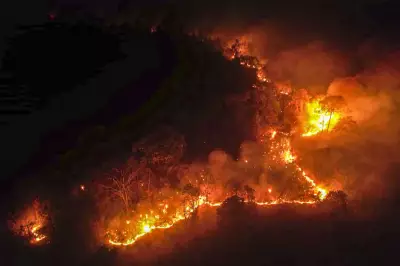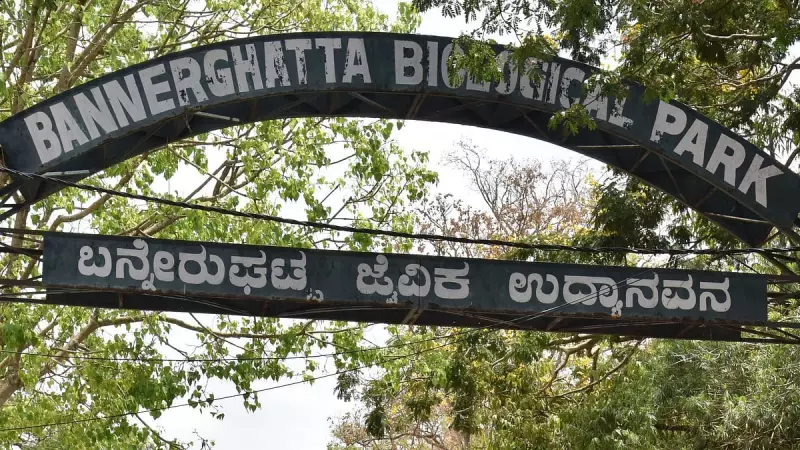
Environmental activists have raised a significant alarm, detailing the extensive damage caused by the ongoing reduction of the protective buffer zone surrounding Bengaluru's Bannerghatta National Park (BNP). This critical green lung and biodiversity hotspot is facing mounting pressure from developmental activities.
The Ecological Significance of Bannerghatta
Bannerghatta National Park is not just a weekend getaway for Bengaluru's residents. It is a vital 260.51 square kilometre ecosystem located on the city's southern fringe. This park forms an integral part of a larger 1400 square kilometre wildlife habitat. Crucially, it is recognized as the terminal point of the Mysore Elephant Reserve, making it essential for the movement and survival of elephant herds.
The park is a sanctuary for a rich array of fauna. Beyond elephants, it is home to majestic tigers, elusive leopards, wild dogs (dholes), sloth bears, and numerous other species. The shrinking buffer zone directly imperils these animals by increasing human-wildlife conflict and fragmenting their habitat.

Documenting the Impact of Buffer Zone Reduction
Activists, led by prominent voices like Chiranjeevi Kulkarni, have systematically listed the consequences of the buffer zone's decline. A buffer zone acts as a transitional layer between the fully protected core forest and the outside world. Its reduction leads to several immediate and long-term problems:
- Increased Human-Wildlife Conflict: With less buffer, animals like elephants and leopards are forced closer to human settlements, leading to more frequent and dangerous encounters.
- Habitat Fragmentation: Wildlife corridors get blocked, isolating animal populations and reducing genetic diversity, which is crucial for long-term survival.
- Heightened Pollution: The forest becomes more susceptible to noise, light, and air pollution from encroaching urban and industrial projects.
- Disruption of Ecological Balance: The encroachment and disturbance can disrupt prey-predator dynamics and damage native flora.
A Call for Urgent Action and Conservation
The report, highlighted on 30 December 2025, serves as a stark reminder of the constant tension between urban expansion and environmental conservation in rapidly growing cities like Bengaluru. The findings underscore the need for stringent enforcement of existing ecological regulations and a reevaluation of projects that compromise the park's integrity.
Preserving the Bannerghatta buffer zone is not merely about protecting animals; it is about safeguarding Bengaluru's water security, micro-climate, and natural heritage for future generations. Environmental groups are urging government bodies and the public to recognize the irreversible damage that further shrinkage could cause and to prioritize sustainable development models that coexist with nature.