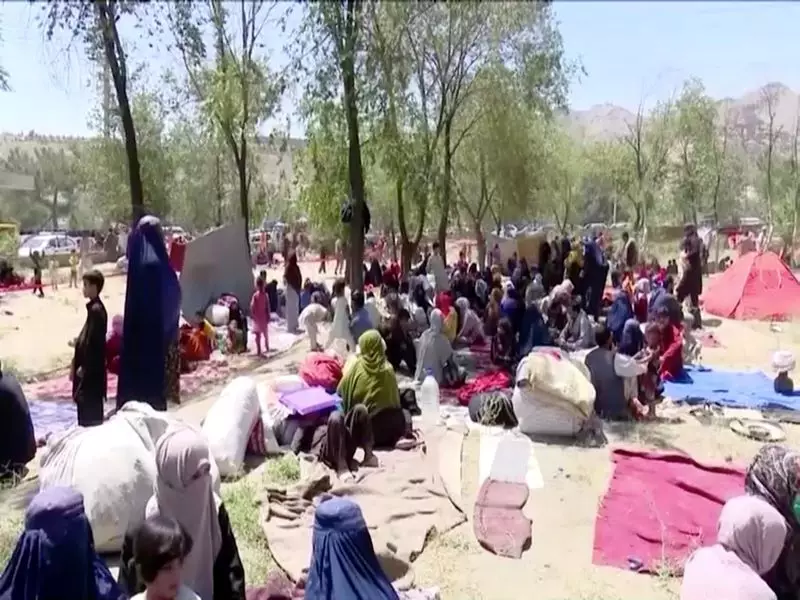
Afghanistan Faces Growing Shelter Crisis Amid Refugee Influx
A sudden surge in refugees returning to Afghanistan is pushing the country's shelter system to its limits. Many people are coming back from neighboring nations, but they find little housing available. This situation creates a severe humanitarian challenge for local communities.
Why the Crisis Is Escalating
Several factors contribute to this deepening problem. First, economic pressures and political instability in host countries force refugees to return. Second, Afghanistan's own infrastructure struggles to cope with the influx. Third, international aid has not kept pace with the growing needs.
Families often arrive with few possessions and no place to stay. They rely on temporary shelters or overcrowded camps. These conditions pose health risks and increase vulnerability, especially for children and the elderly.

Impact on Local Resources
The return of refugees places immense strain on Afghanistan's already fragile resources. Water, food, and medical supplies are in short supply. Local authorities report that schools and clinics are overwhelmed. This crisis affects not just the returnees but also long-term residents.
Humanitarian organizations warn that without immediate action, the situation could worsen. They call for increased funding and coordinated efforts to provide basic necessities. However, security concerns and logistical hurdles complicate relief operations.
Looking Ahead
Addressing this shelter crisis requires a multi-faceted approach. Building more permanent housing is essential, but it takes time and investment. In the short term, emergency shelters and aid distributions offer some relief. The international community must step up its support to prevent further suffering.
This crisis highlights the ongoing challenges in Afghanistan's recovery efforts. As refugees continue to return, finding sustainable solutions becomes more urgent. The world watches as this humanitarian issue unfolds, hoping for swift and effective responses.