Afghanistan Accuses Pakistan of Civilian Casualties in Latest Kabul Airstrikes
Afghanistan's Taliban government has leveled serious accusations against Pakistan, alleging that fresh airstrikes on Kabul resulted in civilian deaths, including at a hospital treating drug addicts. The incident has intensified the already strained relations between the two neighboring nations, with both sides presenting conflicting narratives about the nature and targets of the military operations.
Explosions Rock Kabul Amid Escalating Tensions
Loud explosions shook the Afghan capital at approximately 9:00 PM local time on Monday, sending plumes of smoke billowing into the sky from the Shahr-e-Naw and Wazir Akbar Khan districts. The Taliban administration swiftly responded, claiming that Pakistani military forces had conducted the strikes, which they described as a blatant violation of Afghan sovereignty.
Government spokesman Zabihullah Mujahid took to social media platform X to condemn the attacks, labeling them "a crime" and an "act of inhumanity." He asserted that the strikes specifically targeted a medical facility providing treatment to drug addicts, resulting in four fatalities and multiple injuries. According to Mujahid, most of the victims were patients receiving care at the hospital, amplifying the humanitarian concerns surrounding the incident.

Pakistan's Firm Denial and Counterclaims
Pakistan has categorically rejected Afghanistan's allegations, with Prime Minister Shehbaz Sharif's spokesman Mosharraf Zaidi dismissing the claims as entirely baseless. The Pakistani government maintains that no hospital was targeted during their military operations in Kabul, instead framing the strikes as precise actions against legitimate security threats.
The Ministry of Information issued a detailed statement explaining that the strikes were carefully executed to target specific military installations and terrorist support infrastructure. According to Pakistani authorities, these locations included technical equipment storage facilities and ammunition depots used by Afghan Taliban elements and Afghanistan-based Pakistani militants operating against Pakistani civilians.
The ministry emphasized that their targeting methodology was designed to prevent collateral damage, describing Mujahid's claims as "false and misleading" attempts to manipulate public sentiment and obscure what Pakistan characterizes as Afghanistan's "illegitimate support for cross-border terrorism."
Escalating Border Conflict and Historical Context
This latest incident represents another chapter in the deteriorating security situation along the Afghanistan-Pakistan border. Pakistan's military has conducted multiple strikes on Kabul in recent weeks as tensions have mounted over allegations that the Taliban government provides sanctuary to militants who launch attacks inside Pakistani territory.
Pakistani officials have described the situation as approaching an "open war" scenario, with President Asif Ali Zardari recently stating that Afghanistan crossed a "red line" when drones allegedly deployed from Afghan territory injured several Pakistani civilians last week. In response to that incident, Pakistan's air force conducted strikes over the weekend in Afghanistan's Kandahar province, targeting what they identified as equipment storage sites and technical support infrastructure used for attacks against Pakistan.
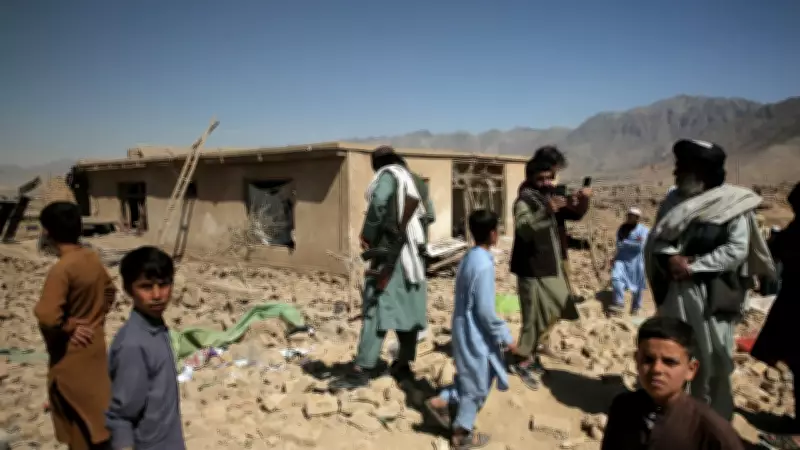
Afghanistan reported that those strikes hit two locations, including an empty security site and a drug rehabilitation center that sustained minor damage, further illustrating the conflicting accounts that have become characteristic of this border conflict.
Afghan Leadership Responds to Escalation
In Kabul, Afghanistan's administrative deputy prime minister Abdul Salam Hanafi addressed the situation during a meeting with political analysts and media representatives. He emphasized that defending national sovereignty represents a fundamental duty for all Afghan citizens while expressing deep regret over civilian casualties resulting from recent Pakistani military actions.

Hanafi characterized the conflict as one that has been imposed upon Afghanistan, reflecting the Taliban government's position that they are responding to external aggression rather than initiating hostilities. This framing underscores the fundamental disagreement between the two nations regarding responsibility for the escalating violence along their shared border.
The ongoing dispute highlights the complex security dynamics in the region, with both countries accusing the other of supporting militant groups that threaten their respective national interests. As accusations continue to fly and military actions escalate, the humanitarian consequences for civilians caught in the crossfire remain a pressing concern for international observers monitoring the situation.