

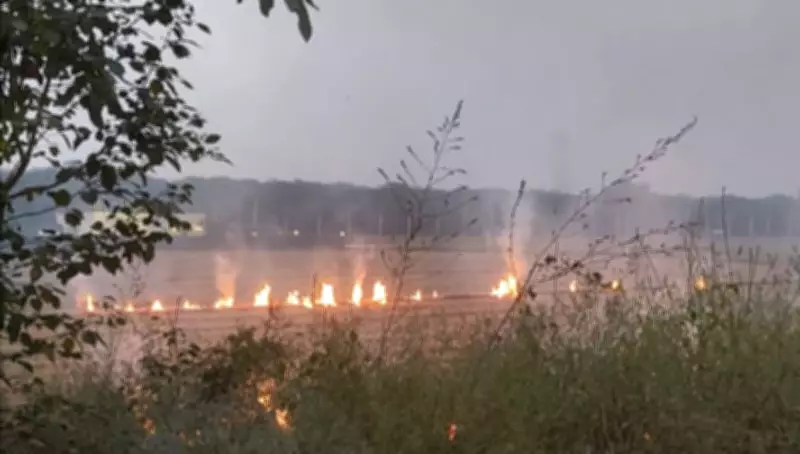
Amritsar District Launches Task Force to Tackle Crop Residue Burning
The district administration of Amritsar has taken a decisive step to address the persistent issue of crop residue burning by forming a specialized task force. This initiative aims to curb the harmful practice that contributes significantly to air pollution and environmental degradation in the region.
Proactive Measures to Monitor and Prevent Burning
The newly established task force will be responsible for closely monitoring agricultural areas to detect and prevent incidents of crop residue burning. Officials have emphasized that this move is part of a broader strategy to promote sustainable farming methods and protect public health from the adverse effects of smoke and particulate matter.
Key responsibilities of the task force include:

- Conducting regular inspections in rural areas to identify potential burning sites.
- Educating farmers about the environmental and legal consequences of crop residue burning.
- Coordinating with local authorities to enforce regulations and impose penalties on violators.
- Promoting alternative uses for crop residue, such as composting or biomass energy production.
Addressing Seasonal Pollution Challenges
Crop residue burning is a seasonal problem that peaks after harvest periods, particularly during the winter months. The smoke from these fires exacerbates air quality issues, leading to health concerns like respiratory illnesses and reduced visibility. The task force's formation is timely, as it aligns with efforts to mitigate pollution ahead of the upcoming agricultural cycles.
District officials have highlighted that this initiative is not just about enforcement but also about fostering community engagement. They plan to work collaboratively with farmers to find viable solutions that balance agricultural needs with environmental stewardship.
Broader Implications for Punjab's Agriculture
This development in Amritsar reflects a growing recognition of the need for integrated approaches to manage crop residue across Punjab. By setting up a task force, the district aims to serve as a model for other regions grappling with similar challenges. The success of this effort could influence state-wide policies and encourage the adoption of cleaner farming practices.
In conclusion, the formation of the task force marks a proactive step towards reducing air pollution and promoting sustainable agriculture in Amritsar. It underscores the administration's commitment to addressing environmental issues through structured monitoring and community involvement.






