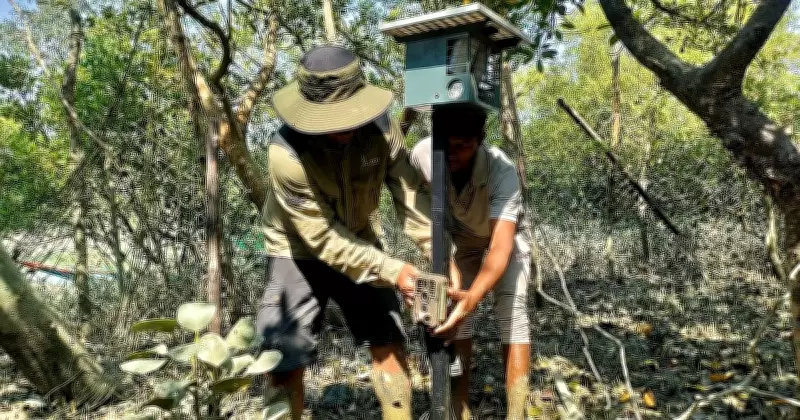
ANIDERS: A Technological Shield for the Sundarbans
In a significant move to protect both human communities and the iconic Bengal tiger, a non-lethal technology-based system known as ANIDERS (Animal Intrusion Detection and Repellent System) has been deployed in the Sundarbans region of West Bengal. This innovative tool is designed to prevent wildlife intrusion into human-dominated landscapes, thereby reducing the risk of dangerous encounters.
Strategic Installation in Critical Zones
Four ANIDERS devices have been strategically installed in the Herobhanga 09 forest compartment, which falls under the South 24 Pargana Forest Division. This area is part of the vast Sundarbans mangrove ecosystem, a UNESCO World Heritage Site known for its rich biodiversity but also for frequent human-tiger conflicts. The installation marks a proactive step in conflict mitigation efforts, leveraging technology to create safer boundaries between wildlife habitats and human settlements.
How ANIDERS Works to Prevent Conflicts
ANIDERS operates as an early detection and repellent system, utilizing non-lethal methods to deter animals like tigers from entering human areas. It functions by detecting animal movements through sensors and then activating deterrents such as sounds, lights, or other harmless stimuli to repel the wildlife without causing harm. This approach aims to maintain ecological balance while safeguarding human lives and livelihoods, which are often threatened by such intrusions in the Sundarbans.

The system has been widely used in various contexts to prevent wildlife intrusion, and its application in the Sundarbans is particularly crucial due to the high density of both human populations and tiger populations in the region. By reducing direct confrontations, ANIDERS helps in conserving the endangered Bengal tiger species while also protecting local communities from potential attacks.
Broader Implications for Wildlife Conservation
This deployment is part of broader human-tiger conflict mitigation efforts in the Sundarbans, which have historically included measures like net fencing and community awareness programs. The integration of ANIDERS adds a technological layer to these efforts, offering a more dynamic and responsive solution. Experts highlight that such non-lethal technologies are essential for sustainable coexistence, as they minimize harm to wildlife and reduce the need for lethal control measures.
As human-wildlife conflicts continue to pose challenges in biodiverse regions like the Sundarbans, the success of ANIDERS could set a precedent for similar initiatives across India and globally. It underscores the importance of innovation in conservation strategies, blending technology with traditional methods to foster harmony between humans and nature.