Antarctica's Climate Transformation: From Frozen Desert to Rain-Soaked Frontier
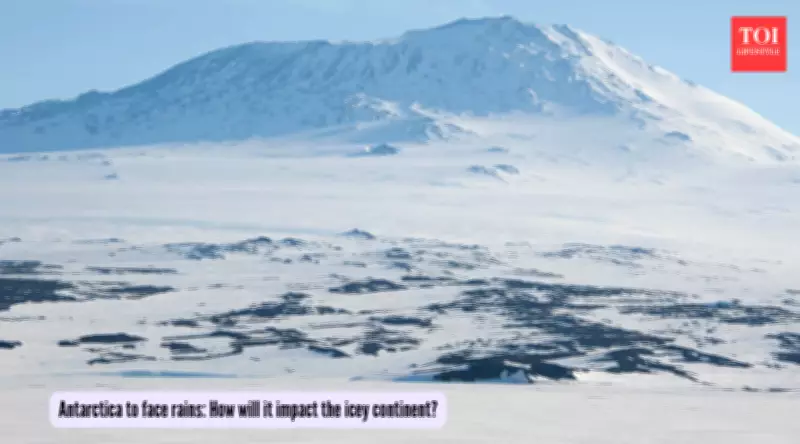
Antarctica, the vast continent swathed in endless white, characterized by its dry, frigid conditions and perpetual snowfall, is undergoing a dramatic transformation. Whispers of shifting temperatures and altered weather patterns are now becoming undeniable realities. The world's iciest frontier, long defined as a polar desert, is confronting unfamiliar precipitation in the form of rain, particularly along its northern extremities. This phenomenon is not merely a temporary weather anomaly; it serves as a stark preview of a warming planet that is actively reshaping ice formations, wildlife ecosystems, and human activities in the region.
The Rise of Rain in a Snow-Dominated Landscape
Rain was once a rare stranger in Antarctica, but this is rapidly changing, especially on the Antarctic Peninsula, the continent's warmest area. This region is heating at an accelerated pace, far exceeding global average temperature increases. A recent study, led by Dr. Ella Gilbert's team and detailed in The Conversation report, modeled three distinct emissions scenarios. The findings revealed a slight overall increase in precipitation, with a growing proportion falling as rain rather than snow. This shift correlates directly with the multiplication of days where temperatures rise above freezing points.
Unprecedented Warming Events Driving Change
The underlying causes of this climatic shift are becoming increasingly evident. In 2020, a severe heatwave pushed temperatures to a record 18.6°C on the northern Antarctic Peninsula, while a nearby ice shelf experienced melting rates never before observed. Atmospheric rivers—elongated bands of warm, moist air originating from lower latitudes—have intensified these changes. One such event in February 2022 triggered extreme surface melting, and another in July 2023 introduced rainfall and temperatures of +2.7°C to regions previously untouched by such conditions.

Significant Impacts of Rainfall on Antarctic Systems
The introduction of rainfall carries profound consequences for Antarctica's delicate environment. It rapidly melts the existing snow cover, depriving glaciers of essential accumulation that sustains their mass. The resulting meltwater seeps down to glacier beds, acting as a lubricant that accelerates their flow toward the ocean. This process, in turn, increases the frequency and scale of iceberg calving events.
On floating ice shelves, rain compacts surface snow into ponds. These ponds absorb more solar heat due to their reduced reflectivity compared to snow. The water then penetrates downward, compromising the structural integrity of the ice shelves. This mechanism contributed to the catastrophic collapses of the Larsen A and Larsen B ice shelves in the early 2000s.
Vulnerabilities in Sea Ice and Wildlife Habitats
Sea ice is also highly vulnerable to these changes. Rainfall removes the reflective snow layer that typically covers sea ice, leading to faster melting rates. Additionally, it diminishes natural wave barriers that protect glacier termini from erosion. Consequently, habitats for critical species like krill and algae are contracting, while breeding sites for iconic animals such as penguins and seals are being significantly reduced, threatening their survival.
This transition from snow to rain in Antarctica is not just a local issue; it is a global alarm bell. The continent's famous chill is yielding to warmer, wetter conditions, raising urgent concerns about sea-level rise, biodiversity loss, and the broader implications for Earth's climate system. As these trends continue, the impacts will reverberate far beyond Antarctica's shores, affecting ecosystems and communities worldwide.