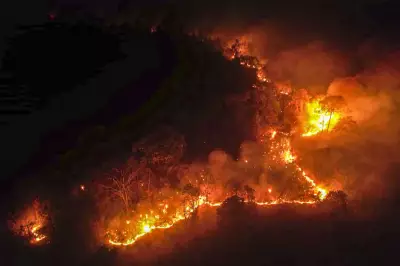
A critical environmental battle is unfolding across India, with two vital ecological landscapes—the ancient Aravalli hills and Karnataka's Bannerghatta National Park—facing severe existential threats. The core of the crisis lies in proposed reductions to their legally protected eco-sensitive zones, decisions that could set a perilous precedent for the country's natural heritage.
The Disturbing Precedent in the Aravallis
Recent developments concerning the Aravalli range have raised significant alarm among environmentalists and policy experts. The decisions being made here are not just about one mountain range; they establish a concerning template that can be replicated elsewhere. The move to potentially dilute protections in the Aravallis, a crucial water recharge zone and biodiversity hotspot for North India, signals a dangerous shift in policy priorities, placing short-term gains over long-term ecological security.
Bannerghatta's Battle: A 100 Sq Km Reduction
This precedent finds a stark echo approximately 2,000 kilometres away in Karnataka. The Bannerghatta National Park, a vital green lung and habitat for elephants and other wildlife near Bengaluru, is confronting a direct existential challenge. Authorities are seeking to drastically shrink its protective buffer. The proposal aims to reduce the park's eco-sensitive zone from the original 268.9 square kilometres to a mere 168.8 square kilometres.

This planned reduction of 100.1 square kilometres of protected area would expose fragile ecosystems to intensified human pressure, including mining, quarrying, and unchecked urban expansion. Such a move threatens not only the park's rich flora and fauna but also its role in climate regulation and groundwater conservation for the region.
Broader Implications for India's Ecology
The simultaneous pressures on these two distinct ecosystems highlight a nationwide pattern. When protected areas are compromised, it leads to irreversible loss of biodiversity, disrupted water cycles, and increased human-wildlife conflict. The opinion, articulated by commentator Seshadri Chari and last updated on 03 January 2026, at 19:42 IST, serves as a urgent warning. These are not isolated incidents but part of a larger trend that undermines India's environmental governance framework.
The fight for the Aravallis and Bannerghatta is a fight for a fundamental principle: that ecological boundaries are non-negotiable for sustainable development. The decisions taken today will resonate for generations, determining whether India preserves its natural safeguards or erodes them beyond repair.