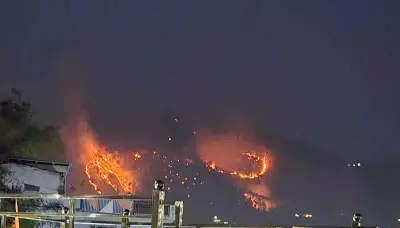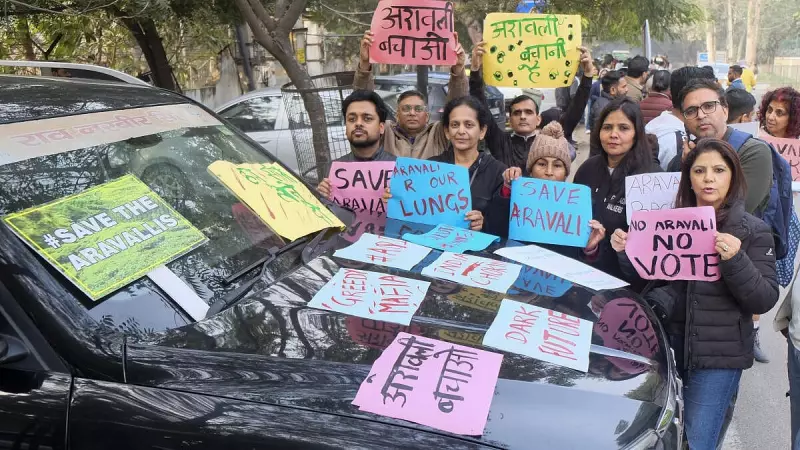
The ongoing conflict over the future of the Aravalli mountain range has emerged as a critical litmus test for India's commitment to long-term ecological security over immediate, short-term economic gains. The debate, underscored by a significant trust deficit between conservationists, communities, and authorities, centres on the peril of adopting inadequate, half-hearted measures to protect this vital geological and ecological barrier.
The Core of the Conflict: Survival vs. Gain
At the heart of the battle lies a fundamental question: will India prioritise the survival of its fragile ecosystems for future generations, or will it succumb to the pressure for rapid urbanisation, mining, and real estate development? The Aravalli range, one of the world's oldest fold mountain systems, acts as a natural shield against desertification, a groundwater recharge zone, and a biodiversity hotspot. Its degradation has direct, severe consequences for the climate and water security of entire regions, including the National Capital Region.
Environmental expert Shailendra Yashwant, in his analysis dated 24 December 2025, frames this not merely as a policy dispute but as a decisive moment for the nation's environmental governance. The persistent trust deficit he mentions stems from a history of legal loopholes, ambiguous notifications, and enforcement failures that have repeatedly undermined conservation efforts.

The High Cost of Compromise and Half-Measures
The article warns explicitly against the cost of half-measures. These are often presented as balanced solutions but, in reality, they chip away at the integrity of protected forests and lands. Examples include:
- Piecemeal denotifications of forest land.
- Weak rehabilitation policies for mined areas.
- Inconsistent interpretation of what constitutes the Aravalli's natural landscape.
Each compromise sets a dangerous precedent, eroding legal protections and encouraging further encroachment. The result is a death by a thousand cuts for a mountain range that cannot regenerate at the pace of its destruction.
A Defining Moment for Environmental Policy
This battle transcends local land disputes. It is a national benchmark for how India will navigate the complex interplay between development and conservation in the coming decades. The choices made today regarding the Aravallis will signal whether the country is serious about upholding its international climate commitments and safeguarding its natural heritage.
The path forward requires moving beyond symbolic gestures and implementing robust, science-based conservation strategies with strict oversight. Rebuilding public trust is paramount, and that can only be achieved through transparent decision-making and unwavering enforcement of existing environmental laws. The survival of the Aravallis is inextricably linked to the ecological and economic resilience of millions of Indians, making its protection a non-negotiable imperative.