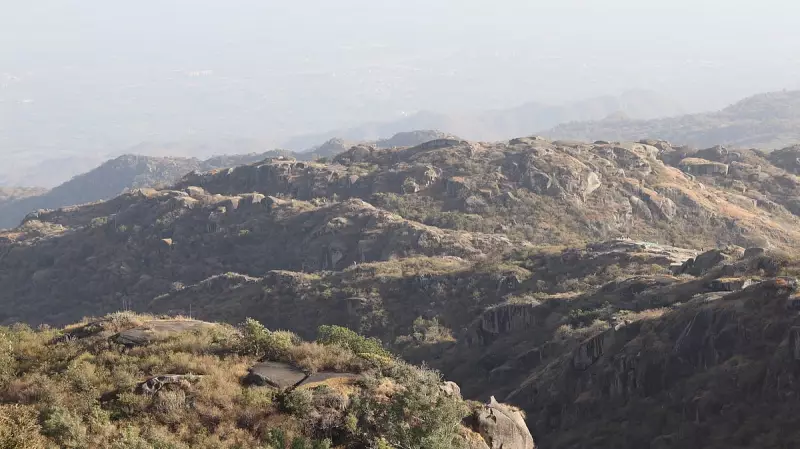
A recent regulatory decision to redefine the Aravalli mountain range based on elevation has triggered significant alarm among environmentalists and conservationists. The move, approved by authorities, is feared to open the floodgates for intensified mining activities, posing a severe and potentially irreversible threat to one of India's oldest and most critical ecological systems.
The Controversial Redefinition
The core of the issue lies in a new definition that identifies the Aravallis primarily by their elevation. This technical shift in classification, which received official approval, effectively re-draws the map of what constitutes the protected Aravalli range. The decision was formally noted on 23 December 2025, setting the stage for a possible overhaul of land-use policies in the region.
Previously, a broader and more holistic understanding of the Aravalli ecosystem guided conservation efforts. The new, narrower criterion risks excluding vast stretches of low-lying hills and degraded forest land from the legal purview of "Aravalli." These excluded areas could then become vulnerable to commercial exploitation that was previously restricted.

Implications for Mining and Ecology
The most immediate and grave consequence of this redefinition is the potential for a massive expansion of mining operations. Large tracts that lose their protected status could be leased out for excavation of minerals like sandstone, granite, and marble. This would lead to:
- Massive deforestation and loss of green cover.
- Destruction of natural water recharge zones, exacerbating water scarcity in the already arid regions of North India.
- Severe habitat fragmentation for wildlife, including leopards, hyenas, and numerous bird species.
- Increased air and dust pollution, impacting the health of millions in the National Capital Region.
The Aravallis act as a crucial green barrier against the encroaching desert from the west and are vital for groundwater recharge. Intensified mining would cripple these ecological functions, leading to long-term environmental damage that could affect multiple states.
A Looming Environmental Crisis
Environmental experts and citizen groups have condemned the move, viewing it as a policy decision that prioritizes short-term commercial gains over long-term ecological security. They argue that the unique, ridge-based ecology of the Aravallis cannot be protected through a simplistic elevation-based filter. The range's value lies in its interconnected forests, watersheds, and biodiversity, not just the height of its hills.
This decision comes at a time when the region is already grappling with depleting water tables, rising temperatures, and poor air quality. Further degradation of the Aravallis could push the region's environment past a tipping point. The call is now for a urgent review of this definition, advocating for a science-based approach that recognizes the entire Aravalli ecosystem as a non-negotiable natural heritage requiring stringent protection.
The future of the Aravallis now hangs in the balance. The implementation of this new definition will determine whether this ancient mountain range continues to serve as a life-supporting system or is reduced to a landscape scarred by unchecked excavation.