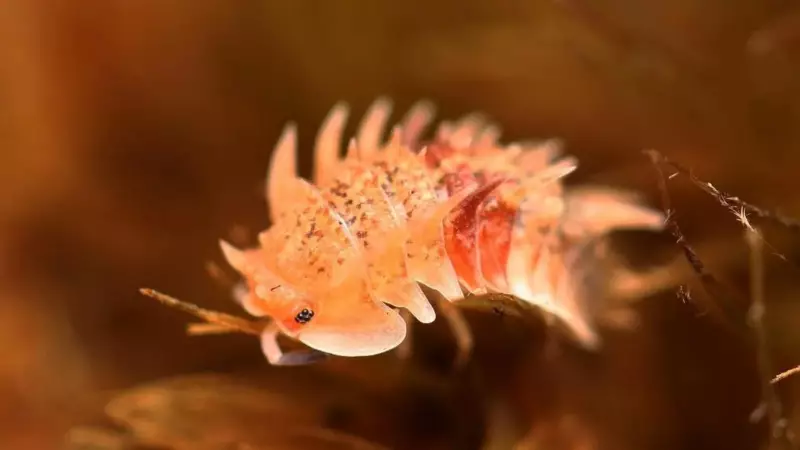
The illegal wildlife trade is casting a dark shadow over some of nature's most unique and armored creatures, transforming them from fascinating animals into high-value commodities for poachers. Species like pangolins, armadillos, and certain spiky reptiles are increasingly targeted, not just for traditional uses but for the burgeoning exotic pet market, where their distinctive features command staggering prices.
The Allure of Armor in the Black Market
What makes these animals so desirable to collectors and, consequently, to poachers? Their natural armor—be it the keratin scales of pangolins, the bony plates of armadillos, or the protective spines of some lizards—sets them apart in the pet trade. This uniqueness drives demand, with some specimens fetching thousands of dollars in underground markets. The high profitability fuels a relentless cycle of poaching, as criminal networks seek to cash in on this niche but lucrative segment of wildlife trafficking.
Conservationists Sound the Alarm
Wildlife experts and conservation organizations are raising urgent concerns about the impact of this trade. Many of these armored species are already vulnerable or endangered due to habitat loss and other pressures. The added threat of poaching for the pet trade could push them closer to extinction. For instance, pangolins, often called "scaly anteaters," are among the most trafficked mammals globally, prized both for their scales in traditional medicine and as exotic pets.

Efforts to combat this issue face significant challenges. Poachers often operate in remote areas, making detection difficult, and the clandestine nature of the pet trade complicates enforcement. Moreover, legal loopholes and weak regulations in some regions allow traffickers to exploit these animals with relative impunity.
A Global Crisis with Local Impacts
This is not just a problem confined to specific continents; it's a global crisis. From the forests of Asia and Africa, where pangolins are hunted, to the Americas, home to various armadillo species, the threat spans ecosystems worldwide. The ripple effects extend beyond the animals themselves, disrupting ecological balances and undermining biodiversity conservation efforts.
In response, there is a growing call for stronger international cooperation and stricter laws to protect these species. Public awareness campaigns are also crucial, educating potential buyers about the ethical and legal implications of owning such pets. As one conservationist noted, "Every armored pet sold illegally is a step closer to losing these remarkable creatures forever."
The battle to save these armored animals is intensifying, with conservationists urging swift action to curb poaching and dismantle the illegal networks that profit from their plight. Without intervention, the future of these spiky, scaled, and armored wonders remains perilously uncertain.