

Sustaina India 3: Bitter Nectar Exhibition Reinvigorates Climate Change Dialogue Through Art
Has the climate change narrative begun to feel overly familiar or even redundant? If so, a groundbreaking exhibition in India offers a refreshing and deeply engaging perspective. Sustaina India 3: Bitter Nectar, meticulously curated by the renowned artist duo Jiten Thukral and Sumir Tagra and presented by the Council on Energy, Environment and Water (CEEW), invites fellows and invited artists to critically examine the intricate politics and profound complexities embedded within fruiting cycles and global food systems.
Art as a Lens on Environmental Shifts
This innovative exhibition traces the multifaceted impact of climate change through a powerful fusion of art, material culture, personal memory, and lived experiences. It delves into critical issues such as the disruption of traditional fruiting cycles and the erratic, unpredictable shifting of seasons. Sumir Tagra elaborates on the thematic depth, stating, "These artists have meticulously worked on documenting people's evolving relationships with staples like milk, mangoes, and apricots, each narrative firmly rooted in a distinct and vulnerable geography. Their individual works serve as a vital medium intersecting design, policy making, architecture, arts, and deep cultural resonance."
Immersive and Sustainable Exhibition Design
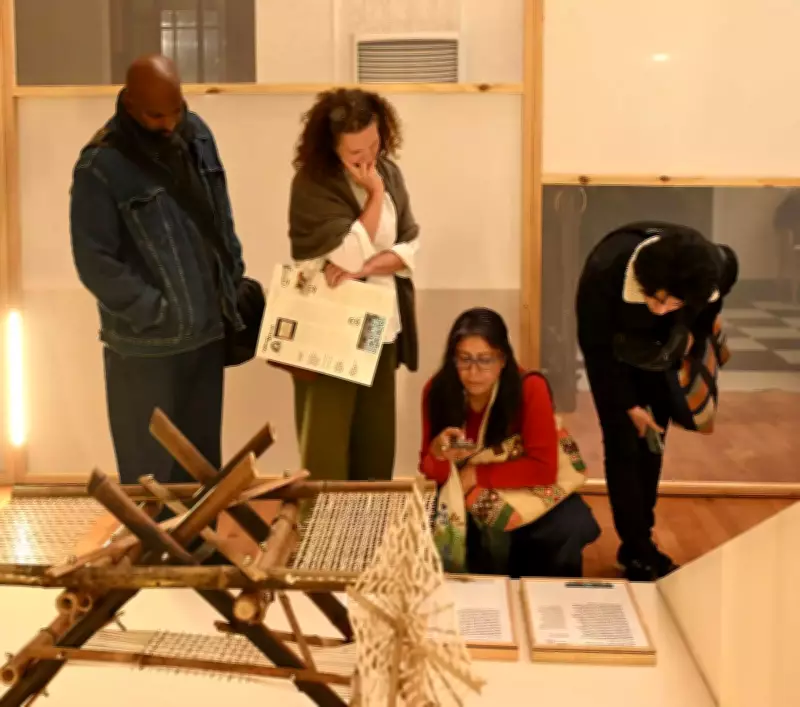
The exhibition's design philosophy itself embodies sustainability. Tagra notes that the layout intentionally encourages viewers to bend down, bringing them closer to the earth and the artworks. In a striking example of upcycling, discarded bedsheets from a major hotel chain have been creatively repurposed to form the exhibition walls. These are complemented by discarded agro nets, traditionally used to protect fruiting trees, now integrated into the artistic environment.

Spotlight on Featured Artists and Their Works
Mrugen Rathod's 'Mari Vaadi ma' presents a powerful ecological statement. The installation features 500 kesari lion sculptures that poignantly register the shifting distribution of the Asiatic lion species within Gujarat's Gir Forest. This habitat is now increasingly dominated by mango tree orchards, a change that critically alters the local ecology from a biodiverse forest to a managed agricultural landscape.
Anuja Dasgupta's '(Re)Frame' focuses on the fragile apricot cycle in the high-altitude region of Ladakh. The work includes an interactive puzzle board, crafted entirely from repurposed poplar wood. This element helps visitors visually and tangibly understand how the fate of the apricot is severely pressured by the climate crisis—an ongoing reality that is disturbingly altering Leh region's traditional weather patterns.
Harmeet Singh Rattan's collaborative piece, 'Pickled - Diptych', was created alongside his father, sign painter Amarjit Singh. The artwork centers on a fallen piece of bark from the desi keekar (acacia) tree. Expanding the experience, Harmeet prepared a unique tasting menu centered around the fruit of the keekar tree. This culinary art was complemented by hand-painted clay bowls, each adorned with Punjabi poetic verses inscribed using keekar ink, creating a multisensory dialogue between tradition and environmental change.
Bridging Science and Art for Mainstream Climate Action
The core mission of Sustaina is to make the critical conversation around sustainability more accessible and engaging. Mihir Shah, Director of Strategic Communications at CEEW, explains the exhibition's strategic approach: "Sustaina approaches the climate change story by innovatively mixing the rigor of science with the expressive power of the art world, effectively bridging these disciplines to tell a more compelling and human story. This edition provides people with a tangible and relatable entry point to start exploring climate change and reassessing their own relationship with nature. Through such creative collaborations, the overarching idea is to make sustainability cooler and significantly easier to discuss in everyday spaces, even around dinner tables."

Ultimately, Sustaina India 3: Bitter Nectar moves beyond traditional environmental discourse. It demonstrates how artistic expression can transform abstract climate data into visceral, understandable, and emotionally resonant experiences, fostering a deeper public connection to one of the most pressing issues of our time.





