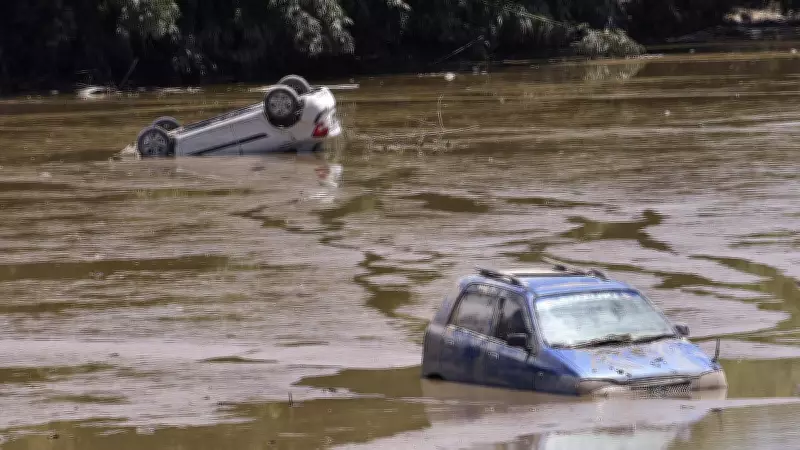
Over 60 people have died and more than 700,000 residents have been affected in a devastating four-day flood event in eastern Assam, with experts attributing the scale of destruction to a combination of mining, deforestation, and unusually heavy rainfall. The deluge, which struck between July 21 and 24, concentrated its worst impact on the districts of Sivasagar, Charaideo, and Jorhat, leaving behind a trail of submerged villages, collapsed infrastructure, and urgent humanitarian needs.
The Scale of Devastation
According to official reports, Sivasagar district recorded the highest death toll at 30, followed by Charaideo with 17 fatalities and Jorhat with nine. In total, over seven lakh people across these three districts have been directly impacted, with thousands displaced from their homes. The rapid onset of flooding overwhelmed local relief mechanisms, forcing families to seek shelter on higher ground and in temporary relief camps. Rescue teams, including the National Disaster Response Force (NDRF), have been deployed to evacuate stranded individuals and distribute essential supplies such as food, drinking water, and medicine. However, access to many remote villages remains hampered by damaged roads and bridges.
Causes: Mining, Deforestation, and Rainfall
Environmental experts point to a confluence of human activities and natural factors that exacerbated the floods. Unregulated mining in the foothills and riverbeds of the Brahmaputra basin has altered drainage patterns, while large-scale deforestation in catchment areas has reduced the land's capacity to absorb rainfall. This year, the region received exceptionally heavy monsoon rains—far above the seasonal average—which rapidly turned into runoff. “The combination of deforestation and mining has stripped the landscape of its natural buffers, making flash floods almost inevitable when heavy rains come,” said a hydrologist from a local research institute who spoke on condition of anonymity. The loss of forest cover, particularly in the hilly terrains of eastern Assam, has also led to increased soil erosion, which silts up rivers and further reduces their carrying capacity.

Impact on Communities and Infrastructure
The floods have devastated local agriculture, with vast tracts of paddy fields and vegetable gardens submerged just weeks before the harvest season. Livestock losses are significant, and many families have lost their primary sources of livelihood. In Sivasagar, the historic Sivasagar tank—a man-made reservoir dating back to the Ahom kingdom—overflowed, causing additional flooding in nearby areas. The district administration has set up over 200 relief camps, yet reports indicate that sanitation and health services are under severe strain. Cases of waterborne diseases such as diarrhoea and typhoid have been reported, and there is growing concern about the risk of outbreaks. Road and rail connectivity have been disrupted, with the main highway linking Sivasagar to Jorhat cut off in multiple places. The tourism sector, which relies on landmarks like the Charaideo Maidam (royal tombs of the Ahom dynasty), has also taken a hit as many heritage sites remain inundated.
Government Response and Relief Efforts
The Assam government has declared the floods a state-level disaster and mobilised resources from the State Disaster Response Force (SDRF) and the Indian Army. Chief Minister Himanta Biswa Sarma visited some of the worst-affected areas on July 25 and announced an ex gratia payment of Rs 4 lakh each to the families of the deceased. He also ordered a review of mining permits and called for reforestation drives in degraded areas. The National Hydroelectric Power Corporation (NHPC) has been asked to regulate releases from the Doyang Dam, whose increased outflow contributed to the flooding downstream. Relief materials including rice, tarpaulins, and hygiene kits have been airlifted to inaccessible pockets. However, many residents have criticised the speed of the response, saying that warnings issued by the India Meteorological Department (IMD) about heavy rainfall were not heeded early enough to prevent damage.

Long-Term Implications for Assam
This flood event has reignited debates about sustainable development in the ecologically sensitive Northeast. Experts warn that unless mining and deforestation are strictly regulated, such disasters will become more frequent and severe. The Assam State Disaster Management Authority has estimated that the state loses an average of Rs 200 crore annually to flood damages, but the economic toll of this latest deluge is expected to be far higher. Climate change projections indicate an increase in extreme rainfall events over the Brahmaputra catchment, underscoring the need for better land-use planning and community-based early warning systems. As the floodwaters begin to recede, the focus is shifting to rehabilitation and rebuilding—but many advocates argue that true resilience will only come from addressing the root causes of environmental degradation.