Atlantic Ocean Current Weakening: New Study Warns of 70% Collapse Risk
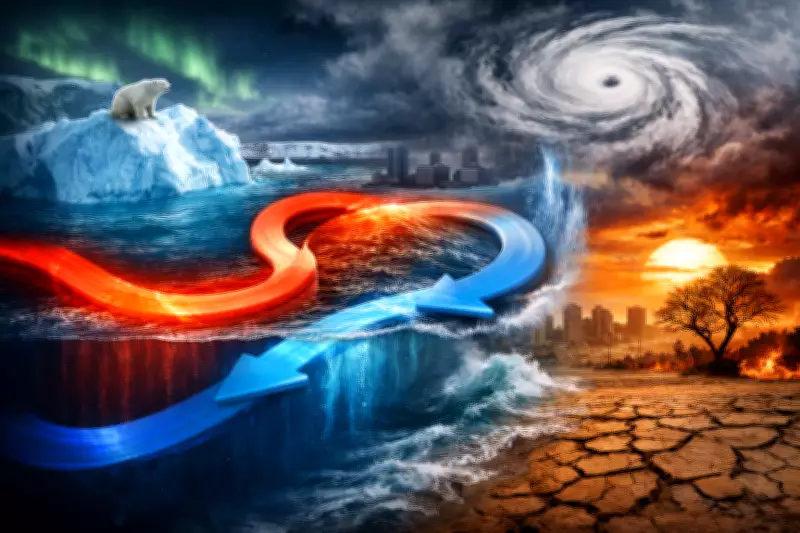
Scientists are intensifying their scrutiny of the Atlantic Meridional Overturning Circulation, a massive ocean system that transports warm water northward across the Atlantic. This current, often associated in public discourse with the Gulf Stream, plays a critical role in shaping weather patterns across Europe, North America, and tropical regions. Recent advanced modeling indicates that the circulation is now weaker than at any point in the past 1,600 years, with global warming and rising sea levels identified as key contributors to this decline.
Increased Probability of Tipping Point
While earlier climate projections deemed a full collapse before 2100 unlikely, more recent simulations that extend further into the future suggest the tipping point may be closer than previously assumed. According to the Arctic Portal, earlier studies considered a breakdown this century improbable. However, the new research employs more complex simulations over longer periods, indicating that a tipping point could be reached within decades if greenhouse gas emissions continue to rise unchecked.
The collapse itself, if triggered, might unfold gradually over 50 to 100 years rather than occurring suddenly. Despite this, scientists now describe the probability as higher than past estimates. The study places the risk at 70% under scenarios of rising emissions. If emissions stabilize at current levels, the probability decreases to 37%, and even under reductions aligned with the Paris Agreement, researchers calculate a 25% risk. These figures have garnered significant attention because they suggest the system is more sensitive to climate change than once believed.

The Gulf Stream's Role in Global Climate
The Gulf Stream, which carries warm water from the Gulf of Mexico along the eastern coast of the United States before turning toward Europe, is a key component of the broader Atlantic overturning circulation. As warm surface water travels north, it cools and becomes denser, sinking into the deep ocean and flowing back southward. This vertical movement acts as part of a global ocean conveyor belt, redistributing heat and nutrients across the planet.
This system contributes to Western Europe's milder climate compared to other regions at similar latitudes and influences Florida's winters. Although the circulation does not operate in isolation, it provides a steadying influence on regional weather patterns.
Potential Impacts of a Collapse
Researchers warn that a weakening or collapse of this circulation could have profound consequences. It might shift the tropical rainfall belt, disrupting food production for millions of people. Some areas could experience heavier rainfall, while others face prolonged droughts. Additionally, sea levels along parts of the North Atlantic coast could rise by an extra half meter beyond existing projections. Winters in Western Europe could become colder, even as global temperatures continue to climb overall.
Weather systems elsewhere may also destabilize, with changes likely to be non-uniform and complex. For now, scientists characterize these findings as a warning rather than a definitive forecast, noting that the circulation continues to flow, albeit at a reduced pace.