

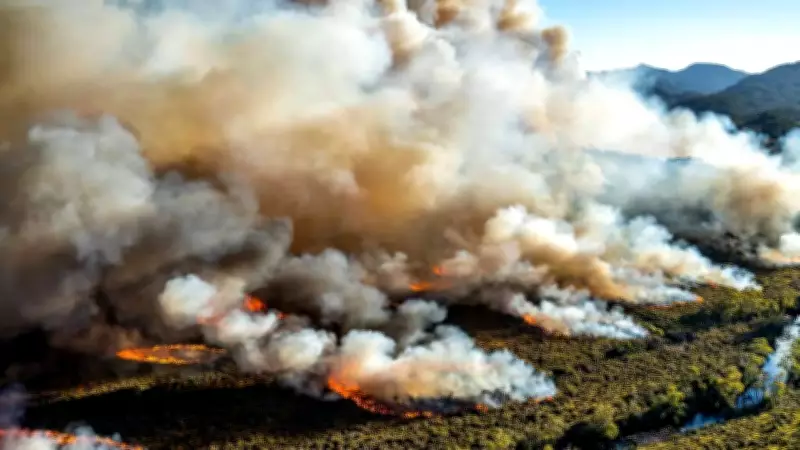
Australia's Unprecedented Heatwave: A Nation Under Siege
Australia is currently enduring a record-breaking heatwave of historic proportions, with temperatures climbing to levels that defy even this sun-scorched continent's formidable standards. This isn't merely another hot spell making headlines—it's a climatic event leaving tangible scars across communities and landscapes, serving as a stark reminder of intensifying environmental challenges.
A Heatwave of Unprecedented Scale and Duration
While Australians are accustomed to summer heat, planning for it and even complaining about it as bushfires inevitably flare, the current situation feels alarmingly familiar yet amplified. Experts are calling this heatwave among the worst witnessed in decades, drawing comparisons to moments permanently etched into the nation's collective memory. The Bureau of Meteorology attributes the extreme conditions to a massive hot air mass that originated in Western Australia's interior before sweeping eastward across the continent.
By mid-week, southeastern Australia had entered its fifth consecutive day of severe to extreme heat, with no immediate relief in sight. Authorities are now warning that some regions could face up to eight straight days of these punishing conditions—an exceptionally long duration that tests both human endurance and infrastructure resilience.

Victoria Bears the Brunt of Extreme Conditions
Victoria, Australia's second-most populous state, has been particularly devastated. Emergency Management Commissioner Tim Wiebusch confirmed the state is experiencing its most severe heatwave since the catastrophic Black Saturday bushfires of 2009, which claimed 173 lives. "We are now into day five," Wiebusch stated, emphasizing that the situation shows little sign of easing quickly.
The extreme heat has done more than simply scorch the landscape—it has placed enormous strain on critical infrastructure. At its peak, power outages affected approximately 105,000 properties across Victoria as electricity networks strained under unprecedented demand for cooling systems. Although that number had decreased to around 11,000 by Wednesday, the pressure on the grid remains intense, leaving many families to endure the heat without relief.
Bushfires Rage as Temperatures Shatter Records
Firefighters are battling multiple major bushfires across Victoria, with at least six large fires active and three reportedly out of control. One of the most serious blazes is burning near the Carlisle River in the Otways region, where more than 11,000 hectares have already been scorched and at least 16 buildings destroyed. Fire authorities warn this fire remains far from contained, with forecasted winds and continued drying conditions posing significant threats.
"We are early in the summer," cautioned Chris Hardman, chief fire officer at Forest Fire Management Victoria, highlighting concerns that the environment will only continue heating up as the season progresses.
Record-Breaking Temperatures Across Multiple Regions
Meteorologists describe the temperature readings as "very unusual," with David Crock from Australia's Bureau of Meteorology noting that approximately 20 weather stations across western Victoria recorded either all-time highs or January records in a single day. The Mallee region witnessed the most extreme readings, with some towns reaching 48.9 degrees Celsius—the hottest temperature ever recorded in Victoria.
The heat has spread northward as well, with parts of western New South Wales and south-west Queensland also experiencing temperatures soaring above 48°C by late afternoon. This relentless heatwave creates a sense that the scorching conditions have nowhere to dissipate, blanketing vast regions in unprecedented warmth that challenges both human adaptation and environmental stability.






