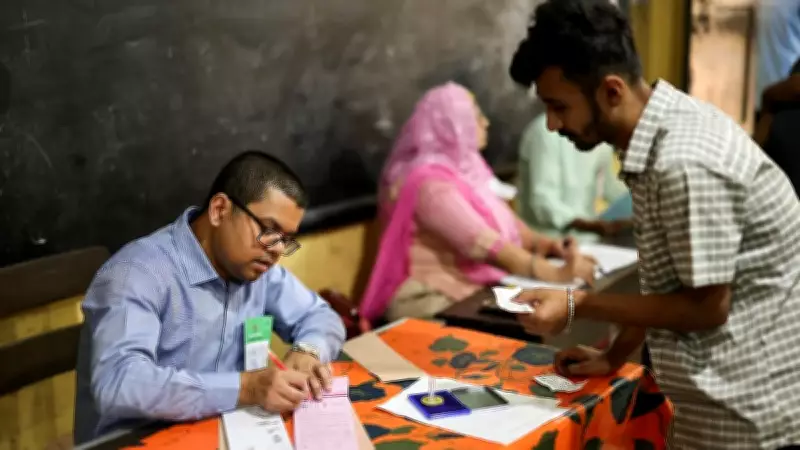
Bangladesh Election Sees Historic Absence of Awami League's Boat Symbol
In a landmark development for Bangladesh's political scene, the upcoming parliamentary elections will proceed without the iconic 'boat' symbol of the Awami League for the first time in 30 years. This absence stems from the party's inability to participate, as its registration remains suspended, preventing its involvement in the electoral process.
Awami League's Political History and Current Status
The Awami League, one of Bangladesh's oldest and most influential political parties, has a storied history of activism and governance. Historically, the party has boycotted parliamentary elections on two previous occasions, citing concerns over fairness and transparency. However, the current situation is distinct, as the party is not voluntarily abstaining but is legally barred from contesting due to the suspension of its registration. This suspension has effectively sidelined the Awami League, leaving its supporters and candidates without representation under its traditional symbol.
The significance of the boat symbol cannot be overstated in Bangladeshi politics. For decades, it has served as a powerful emblem of the Awami League's identity, rallying voters across the nation. Its absence on the ballot is expected to reshape voter dynamics and potentially alter election outcomes, as many citizens have long associated the symbol with the party's policies and leadership.

Implications for Bangladesh's Electoral Landscape
This unprecedented scenario raises critical questions about the future of democracy in Bangladesh. With the Awami League out of the race, other political entities may gain ground, leading to a possible realignment of power structures. Analysts suggest that the lack of the boat symbol could result in:
- Increased competition among remaining parties vying for the Awami League's traditional voter base.
- Potential shifts in policy directions, as new or smaller parties might influence the parliamentary agenda.
- Challenges in voter mobilization, as symbols play a crucial role in identifying parties in a country with high illiteracy rates.
The suspension of the Awami League's registration adds a layer of complexity to an already tense political environment. It underscores ongoing issues related to electoral integrity and party regulations in Bangladesh. As the election date approaches, stakeholders are closely monitoring how this development will impact voter turnout and the overall legitimacy of the results.
In summary, the absence of the Awami League's boat symbol marks a pivotal moment in Bangladesh's electoral history, reflecting broader political tensions and uncertainties. The outcome of this election could set precedents for future political engagements and democratic processes in the region.