

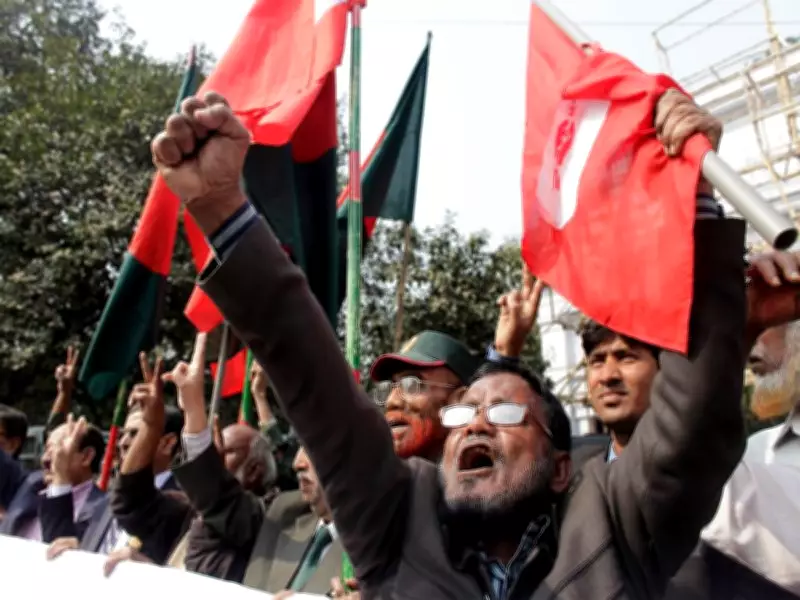
Bangladesh Minority Group Applauds US Congress Resolution on 1971 Genocide Recognition
The Bangladesh Hindu Buddhist Christian Unity Council, a prominent human rights organization dedicated to combating religious discrimination, has expressed strong support for a resolution introduced in the United States House of Representatives. This resolution, put forward by Congressman Greg Landsman on March 20 during the second session of the 119th Congress, calls for official recognition of the genocide that occurred during Bangladesh's Great Liberation War in 1971.
Timely Call for Protection of Minorities
In a press release issued by its central committee, the Unity Council described the resolution's emphasis on safeguarding religious minorities as both appropriate and timely. The statement underscores the ongoing vulnerability of these communities in Bangladesh, despite more than five decades having passed since the nation gained independence.
Persistent Threats to Religious and Ethnic Minorities
The organization voiced deep concern that religious and ethnic minorities, including Hindus, Buddhists, Christians, and indigenous groups, continue to face targeted attacks by extremist communal factions. These incidents, occurring under various political administrations, are alarmingly reminiscent of the atrocities committed during the 1971 Liberation War. The Unity Council highlighted that such persistent crimes against humanity, genocide, and persecution have led to a drastic decline in the minority population share, from 19.07% in the 1970s to just 9.02% today.

This demographic shift is largely attributed to a systematic process of dispossession, forcing many minorities to flee the country in search of safety and stability.
Culture of Impunity and Lack of Justice
Adding to the gravity of the situation, the statement noted with alarm that justice has not been served for those responsible for these crimes. A pervasive culture of impunity has emboldened perpetrators, who have sometimes enjoyed patronage from governments across the political spectrum. This environment allows extremist groups to remain active, continuously seeking opportunities to perpetuate their heinous activities against minority communities.
Eight-Point Demand for Minority Safeguards
In response to these challenges, the Unity Council has been advocating for an eight-point demand to successive Bangladeshi governments, aimed at protecting the distinct existence of minority groups. Key proposals include:
- The immediate enactment of a comprehensive Minority Protection Act.
- The establishment of a dedicated Ministry for Minority Affairs.
- The formation of a National Minority Commission to oversee and enforce protections.
Commitment to Democratic Advocacy
Despite facing numerous adversities, the organization remains steadfast in its commitment to advancing the movement for religious equality and human rights through constitutional and democratic means. The Unity Council's efforts reflect a broader struggle to ensure that the lessons of the 1971 genocide are not forgotten and that minority rights are upheld in contemporary Bangladesh.
The introduction of this resolution in the US Congress marks a significant international step toward acknowledging historical injustices and supporting the ongoing fight for minority protections in Bangladesh.






