Bangladeshi Theatre Actress Rokeya Prachy Slams Yunus Government Over T20 World Cup Boycott
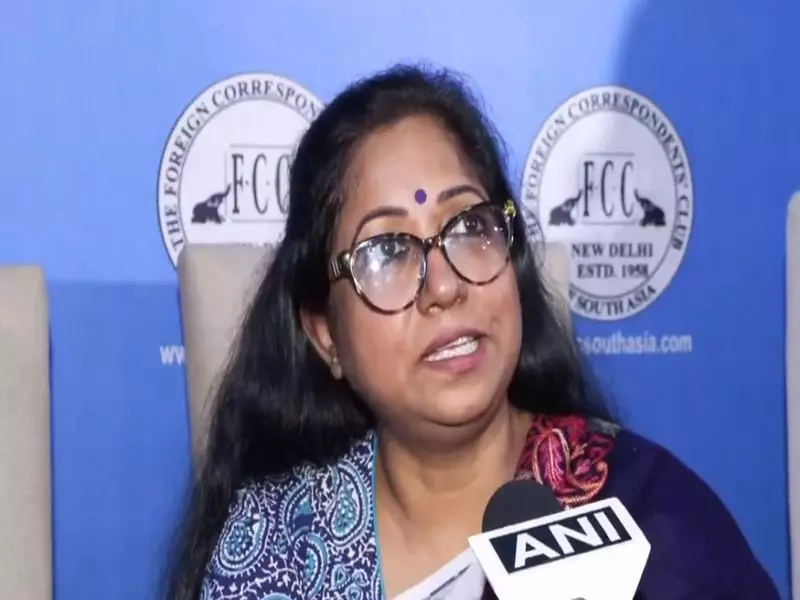
In a recent development that has stirred political and cultural circles, prominent Bangladeshi theatre actress Rokeya Prachy has launched a sharp critique against the Yunus government. Her comments center on the controversial boycott of the T20 World Cup, where she accuses the administration of weaponizing anti-India sentiment for political gains.
Anti-India Sentiment as a Political Tool
Rokeya Prachy, known for her outspoken views on social issues, did not mince words in her assessment. She stated that the government's stance on the T20 World Cup boycott is not merely a sports-related decision but a calculated move to exploit anti-India feelings. According to her, this strategy is being used to divert attention from domestic challenges and consolidate political support.
The actress emphasized that such tactics are harmful to bilateral relations and undermine the cultural exchanges that have historically benefited both nations. She pointed out that Bangladesh and India share deep-rooted ties in areas like trade, education, and entertainment, which should not be jeopardized by short-term political maneuvers.

Context of the T20 World Cup Boycott
The boycott controversy emerged when the Yunus government reportedly considered or implemented a boycott of the T20 World Cup, an event where India is a key participant. This move has sparked debates across Bangladesh, with critics arguing it reflects a broader trend of using nationalism to mask governance issues.
Rokeya Prachy's intervention adds a cultural perspective to the discourse, highlighting how artists and public figures are increasingly vocal about political matters. She warned that fostering anti-India sentiment could lead to isolation and negatively impact Bangladesh's international standing.
Reactions and Implications
The actress's remarks have elicited mixed reactions. Supporters applaud her courage in speaking truth to power, while government allies dismiss her comments as unfounded. This incident underscores the growing tension between cultural expression and political narratives in Bangladesh.
- It raises questions about the role of artists in political debates.
- It highlights the risks of using international events for domestic propaganda.
- It calls for a reevaluation of Bangladesh-India relations in a global context.
As the situation unfolds, Rokeya Prachy's stance serves as a reminder of the importance of maintaining diplomatic and cultural harmony. Her critique urges the Yunus government to prioritize constructive engagement over divisive tactics, fostering a more stable and cooperative regional environment.