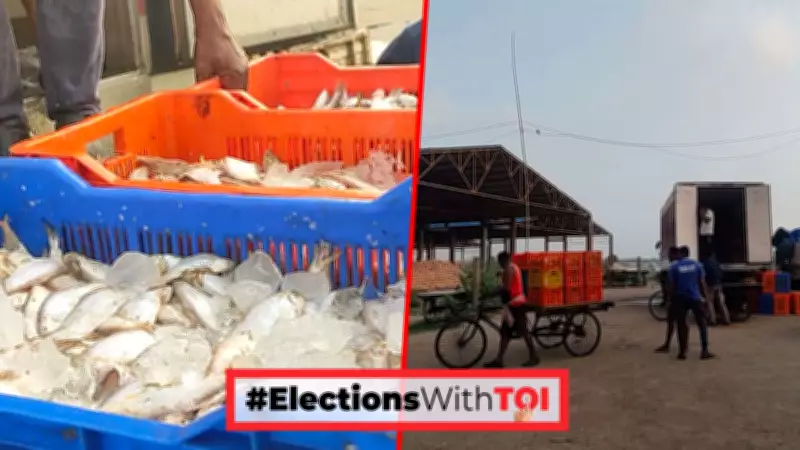
Bengal's Fishing Crisis Deepens: Catches Plummet, Livelihoods at Stake
Fishermen along the East Midnapore coast are confronting a severe and escalating crisis as fish catches have declined dramatically in recent times. This alarming situation threatens the very survival of traditional fishing communities that have depended on the Bay of Bengal for generations.
Environmental and Human Factors Driving the Decline
The sharp drop in fish populations is attributed to a combination of environmental changes and unsustainable practices. Cyclone Yaas, which struck the region, has left lasting impacts on marine ecosystems, disrupting breeding grounds and altering water conditions. Compounding this, coastal erosion has been steadily reducing viable fishing zones, while overfishing has depleted stocks beyond natural recovery rates.
These factors have forced many fish species to migrate to deeper or distant waters, making them inaccessible to local fishermen who rely on smaller boats and traditional methods. The result is a vicious cycle where declining catches lead to increased fishing pressure, further exacerbating the problem.

Ground Realities: Communities in Distress
On the ground, the crisis is palpable. Fishing hubs across East Midnapore are witnessing daily struggles as families grapple with reduced incomes and uncertain futures. Many fishermen report that their catches have fallen by over 50% compared to previous years, making it difficult to cover basic expenses such as fuel, maintenance, and household needs.
"We go out to sea with hope but return with empty nets," says one veteran fisherman from the region, highlighting the emotional and economic toll. The community's fight for survival extends beyond immediate financial concerns to long-term stability, with younger generations questioning whether fishing remains a viable livelihood.
Political Debates and Production Concerns
Amidst this crisis, political debates continue to focus on production metrics and electoral narratives, often overshadowing the urgent needs of fishing communities. While discussions about resource management and support schemes persist, implementation on the ground remains inconsistent, leaving many fishermen feeling neglected.
The disconnect between policy discussions and lived realities is stark, with communities calling for more targeted interventions that address both environmental restoration and economic support. This includes measures to combat coastal erosion, regulate fishing practices, and provide alternative income sources during lean periods.
Looking Ahead: Challenges and Hopes
The future of Bengal's coastal fishing industry hangs in the balance. Without concerted efforts to address the root causes—environmental degradation, unsustainable practices, and lack of adaptive strategies—the crisis could deepen, leading to permanent shifts in these traditional communities.
However, there is hope that increased awareness and collaborative action among stakeholders, including government bodies, environmental groups, and the fishermen themselves, could pave the way for recovery. Sustainable fishing practices, ecosystem restoration projects, and community-based management are seen as potential pathways to revive both the marine environment and the livelihoods it supports.
As the situation evolves, the resilience of East Midnapore's fishing communities will be tested, but their determination to preserve their way of life remains strong, underscoring the need for immediate and effective solutions to this pressing crisis.