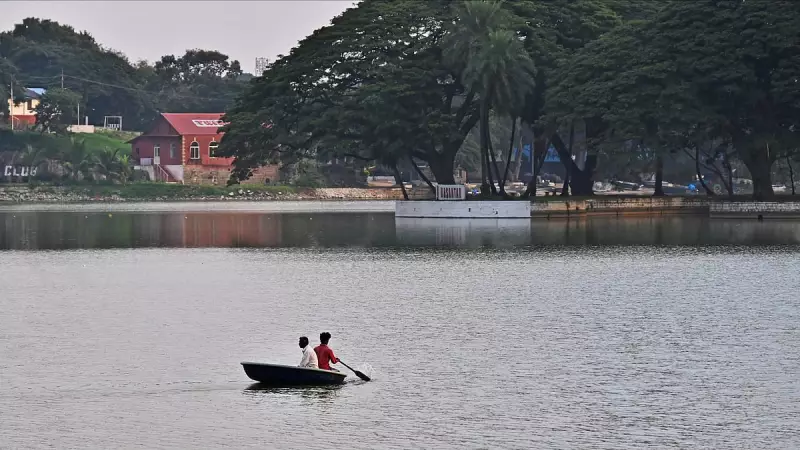
In a significant move aimed at preserving its fragile urban ecosystems, Bengaluru has officially prohibited the use of diesel and fuel-powered boats in all lakes across the city. The decision mandates a complete transition to non-polluting alternatives, marking a new chapter in the city's environmental conservation efforts.
A New Era for Bengaluru's Water Bodies
The directive, announced by authorities, leaves no room for polluting vessels. "Diesel or fuel-based boats shall not be permitted in any lake. Only non-polluting alternatives shall be introduced, and the boating system shall be designed to ensure zero pollution and minimal disturbance to aquatic life," stated Rao. This policy is designed to tackle the dual challenges of water pollution and habitat disruption head-on, ensuring that recreational activities do not come at the cost of environmental health.
What Does the Ban Entail?
The ban is comprehensive and forward-looking. It explicitly outlaws all forms of motorized boats that rely on conventional fossil fuels. The focus now shifts to deploying eco-friendly boats such as:

- Electric boats powered by batteries.
- Pedal boats operated by human power.
- Solar-powered vessels.
- Traditional rowing boats.
The core principle is to achieve a zero pollution boating model. The guidelines also emphasize that the new systems must be designed to cause minimal disturbance to the lakes' biodiversity, protecting fish, plants, and other aquatic organisms. This announcement was formally made on 03 January 2026, setting a clear timeline for implementation.
Implications and the Path Forward
This decision is expected to have far-reaching consequences for lake management and recreational facilities in Bengaluru. Operators of existing diesel boat services will need to overhaul their fleets, investing in green technology. For citizens and tourists, this means a quieter, cleaner boating experience that aligns with sustainable practices.
The move is widely seen as a critical step in the broader mission to revive and protect Bengaluru's iconic lakes, which have suffered from encroachment and pollution for decades. By enforcing zero pollution and minimal disturbance to aquatic life, the city administration is prioritizing long-term ecological balance over short-term convenience. This policy could serve as a model for other Indian cities grappling with similar environmental challenges in their urban water bodies.