Bengaluru Embraces Biogas Solutions During LPG Supply Crisis
In response to a severe LPG crisis that has disrupted both commercial and domestic kitchens across the city, Bengaluru is making a significant pivot towards biogas plants as a reliable and sustainable alternative. The renewed focus on biogas technology comes as residents and businesses grapple with shortages that have highlighted the vulnerabilities in traditional fuel supply chains.
LPG Shortages Drive Shift to Alternative Energy
The recent LPG shortages have forced many in Bengaluru to reconsider their energy sources, pushing them towards biogas, which is derived from organic waste. This shift is not just a temporary fix but is seen as a long-term strategy to enhance energy security and reduce dependency on fossil fuels. Commercial establishments, in particular, have been hit hard, with restaurants and food vendors scrambling to find consistent fuel supplies to keep their operations running smoothly.
The crisis has underscored the urgent need for resilient energy systems, and biogas plants offer a promising solution by converting wet waste into usable energy. This approach not only addresses the fuel shortage but also contributes to better waste management practices in the city.

Biogas Plants: A Sustainable Answer to Urban Challenges
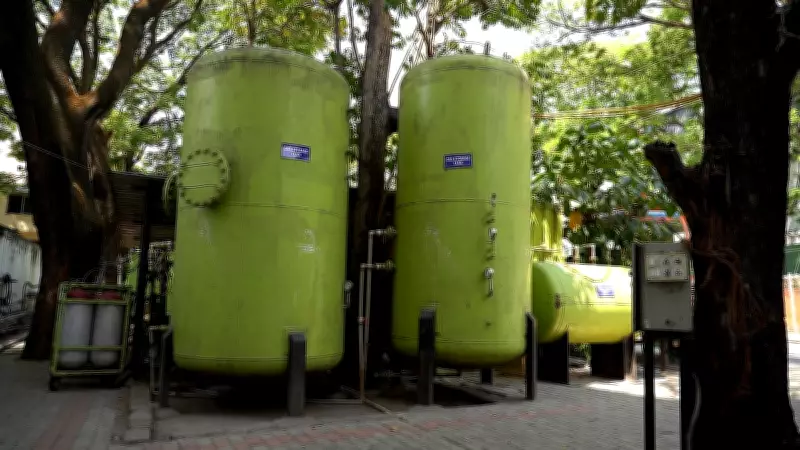
Bengaluru's investment in biogas infrastructure is gaining momentum, with facilities like the Kasa Rasa plant in Koramangala leading the way. These plants process organic waste, such as food scraps and agricultural residues, to produce biogas that can be used for cooking and heating. The process is environmentally friendly, reducing methane emissions from landfills and providing a circular economy model where waste is turned into a valuable resource.
This move aligns with broader sustainability goals, as biogas is a renewable energy source that can help mitigate climate change impacts. By adopting this technology, Bengaluru is not only tackling the immediate LPG crisis but also positioning itself as a leader in urban sustainability initiatives.
Impact on Daily Life and Future Prospects
The transition to biogas is already making a difference in daily life, with many households and businesses reporting smoother operations and cost savings. As more biogas plants come online, the city expects to see a reduction in waste sent to landfills and a decrease in air pollution from traditional fuel combustion.
- Enhanced energy security for kitchens
- Improved waste management and reduced landfill use
- Lower carbon footprint and environmental benefits
- Potential for scaling up to meet growing urban demand
Looking ahead, experts predict that Bengaluru's bet on biogas could serve as a model for other Indian cities facing similar challenges. With continued investment and public awareness, biogas has the potential to become a mainstream energy source, ensuring a more sustainable and resilient future for urban centers.