

Bengaluru Takes Action to Save Arkavathy River After Toxic Foam Incident
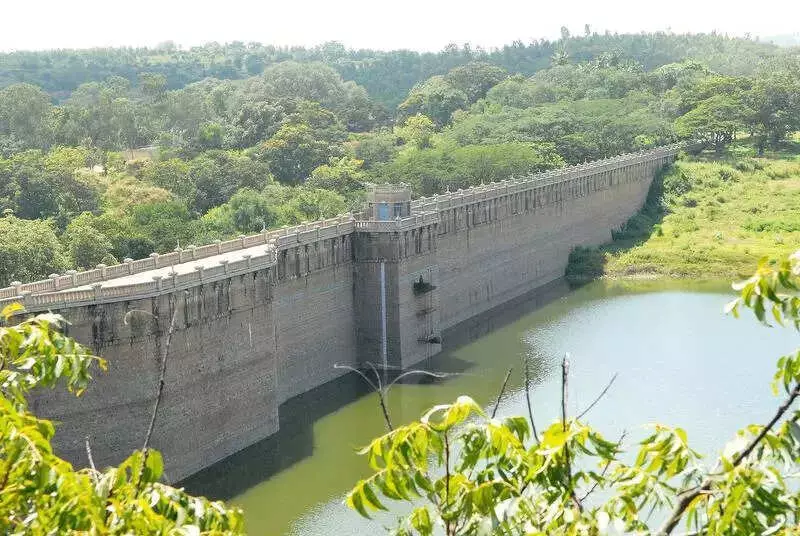
The Karnataka government has finally taken decisive steps to protect the Arkavathy river catchment area. This move comes nearly eighteen months after a disturbing incident where toxic foam covered sections of the river. Officials have now notified a comprehensive set of restrictions aimed at safeguarding the Thippagondanahalli Reservoir (TGR) and its surrounding environment.
Four-Zone System Implements Graded Protection Measures
The new notification, issued by the state's environment department, became effective from January 2. It establishes a four-zone classification system for the TGR catchment area. Each zone carries specific regulations designed to prevent further pollution and degradation.
Zone 1 covers the entire catchment up to Nandi Hills. This area faces the strictest controls. The government has imposed a complete ban on fresh licenses for mining, quarrying, and stone crushing operations. It also prohibits the disposal of solid and liquid waste without proper scientific processing. Every building, both new and existing, must install rainwater harvesting systems within six months. Authorities will actively promote organic farming practices here, encouraging the use of bio-fertilizers and bio-pesticides.

Restrictions Extend to Riverbanks and Surrounding Areas
Zone 2 includes all land within a two-kilometer radius of the TGR boundary. Zone 3 covers areas within thirty meters of the Arkavathy riverbanks up to Hesaraghatta tank from TGR, plus the banks of its tributary, the Kumudvathi. In both these zones, only agricultural activities or work directly related to farming can proceed without special permission. Any other projects require prior approval from competent authorities.
Zone 4 comprises the land located between thirty meters and two kilometers from the riverbanks of the Arkavathy up to Hesaraghatta tank, and along the Kumudvathi, excluding areas already falling under Zone 2. Here, only industries classified as "green" by the Karnataka State Pollution Control Board will receive permission to operate.
Mandatory Environmental Safeguards for New Developments
The notification makes several requirements compulsory for new constructions in Zone 4. This includes residential layouts, buildings, educational institutions, medical facilities, hospitals, government hostels, and civic amenity projects. They must install mandatory zero-discharge sewage treatment systems and rainwater harvesting facilities. Furthermore, the reuse of treated water for non-drinking purposes has been made compulsory.
Penalties and Monitoring Mechanisms Established
The order clearly states that violations will attract penal action under the Environment (Protection) Act of 1986. Concerned authorities have received directives to submit monthly compliance reports to the principal secretary of ecology and environment. This creates a system for ongoing monitoring and accountability.
Activists Welcome Move but Emphasize Enforcement
Environmental activists have welcomed the government's notification. However, they stress that effective enforcement will determine its real success. Vasanth Kumar TK, a member of the Arkavathy Nadi Horata Samiti, suggested extending restrictions on green-category industries all the way to Nandi Hills. He cited concerns about pollution affecting lakes in the Doddaballapur area of the catchment.
Another activist, Ashwath Gowda, pointed out potential weaknesses. He argued the measures could prove ineffective without strict enforcement of the zero-discharge norms and rainwater harvesting requirements. Their comments highlight the critical next phase: turning policy into tangible protection for Bengaluru's vital water sources.






