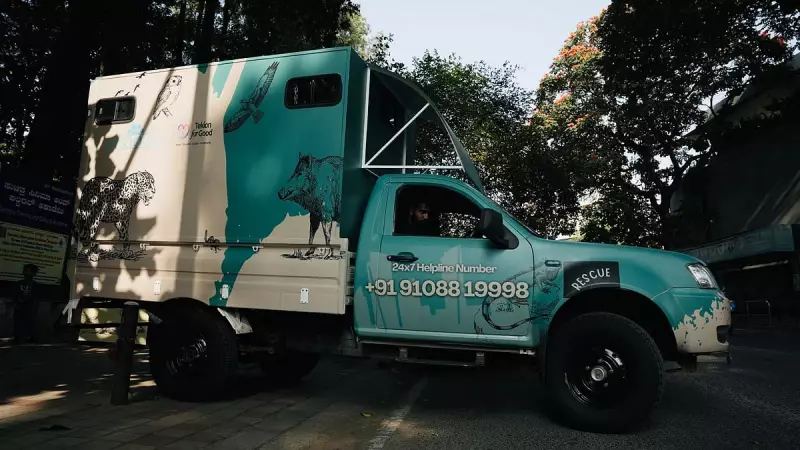
In a pioneering move for urban wildlife conservation, a non-governmental organisation (NGO) in Bengaluru has launched a specialised ambulance dedicated to rescuing animals in distress within the city. This initiative directly addresses the growing incidents of human-animal conflict in India's rapidly expanding urban spaces.
More Than Just a Transport Vehicle
The newly introduced service is far more advanced than a simple transport van. The urban wildlife ambulance is a fully equipped, mobile veterinary unit, designed to provide immediate on-site medical care. A key feature that sets it apart is the presence of a veterinarian on board, ensuring that injured or distressed animals receive professional attention from the very moment of rescue.
This immediate medical intervention can be the difference between life and death for many creatures found in the city's confines. The vehicle is stocked with essential medical supplies, rescue equipment, and tools necessary to safely handle a variety of species, from birds and squirrels to larger animals that occasionally wander into urban neighbourhoods.

Addressing Rising Urban Conflict
The launch of this service on 23 December 2025 comes at a critical time. As Bengaluru's urban footprint expands, natural habitats shrink, leading to more frequent and often dangerous encounters between humans and wildlife. Snakes, monkeys, birds, and other species often find themselves injured, trapped, or in perilous situations within the concrete jungle.
The primary mission of this wildlife ambulance is to mitigate this rising conflict. By providing a rapid, specialised response to distress calls, the NGO aims to ensure safe outcomes for both animals and residents. A quick and professional rescue reduces panic among the public and increases the chances of survival and rehabilitation for the animal.
A New Chapter for City Wildlife
The introduction of this dedicated rescue unit marks a significant step forward in how Indian cities perceive and manage their non-human inhabitants. It reflects a growing consciousness about co-existence and the ethical responsibility towards urban wildlife. The service is expected to operate as a crucial link between distressed animals, concerned citizens, and rehabilitation facilities.
While the NGO behind this initiative was not named in the initial report, its work, highlighted by Team Metrolife, sets a new benchmark for animal welfare in urban India. Other metropolitan cities grappling with similar issues may look to this Bengaluru model for inspiration. The ambulance service promises not only to save individual animal lives but also to foster a more compassionate and informed urban community.