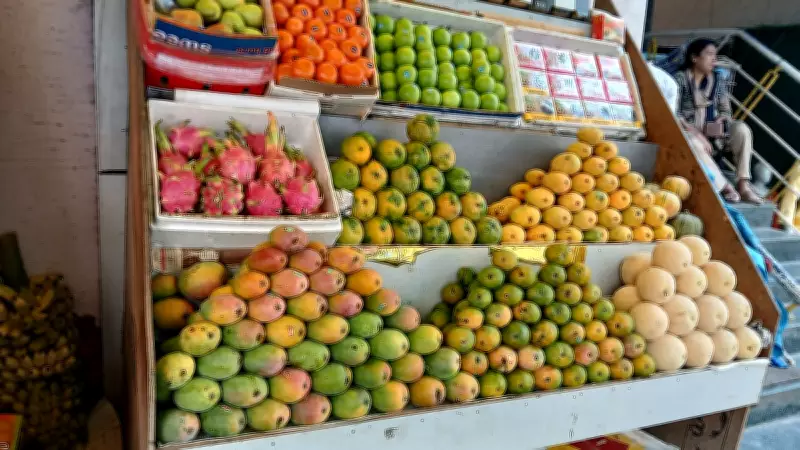
Bengaluru's Early Mango Season: A Sweet Surprise Amid Climate Shifts
The bustling city of Bengaluru is witnessing an unusually early arrival of mangoes this year, a phenomenon that has caught the attention of both consumers and agricultural experts. Traditionally, the mango season in Karnataka peaks between April and June, but this year, markets have been flooded with the king of fruits as early as February. This shift is largely attributed to changing climatic patterns, with warmer winter temperatures and altered rainfall cycles accelerating the ripening process.
Market Dynamics and Varietal Abundance
In major markets such as KR Market and Russell Market, vendors report a significant influx of mango varieties, including Alphonso, Totapuri, and Badami. The early supply has led to a mixed impact on prices: while initial batches commanded premium rates due to novelty, increased availability is now driving costs down, making mangoes more accessible to the public. This early bounty is not just a local curiosity but reflects broader agricultural trends in the region, where farmers are adapting their cultivation practices to unpredictable weather conditions.
Climate Factors and Agricultural Implications
Experts point to several climate-related factors behind this early season. Unseasonal warmth during the winter months, coupled with sporadic rainfall, has disrupted the typical growth cycles of mango trees. This has prompted earlier flowering and fruiting, compressing the harvest timeline. For farmers, this presents both opportunities and challenges. On one hand, early harvests can fetch higher initial prices; on the other, they risk market saturation and potential quality issues if the fruit ripens too quickly.

Consumer Response and Economic Impact
Bengaluru residents are embracing the early mango affair with enthusiasm, flocking to markets to savor the seasonal delight ahead of schedule. The increased supply is also benefiting local economies, from vendors to transport services involved in the supply chain. However, concerns linger about the long-term sustainability of such shifts, as climate change continues to alter agricultural calendars across India.
Looking Ahead: Adaptation and Awareness
As Bengaluru enjoys its early aam affair, stakeholders are calling for greater awareness and adaptive strategies. Agricultural departments are monitoring the situation closely, advising farmers on best practices to manage early harvests. Consumers, too, are encouraged to support local produce while staying informed about the environmental factors shaping their food sources. This early mango season serves as a sweet reminder of the intricate link between climate and agriculture in urban India.