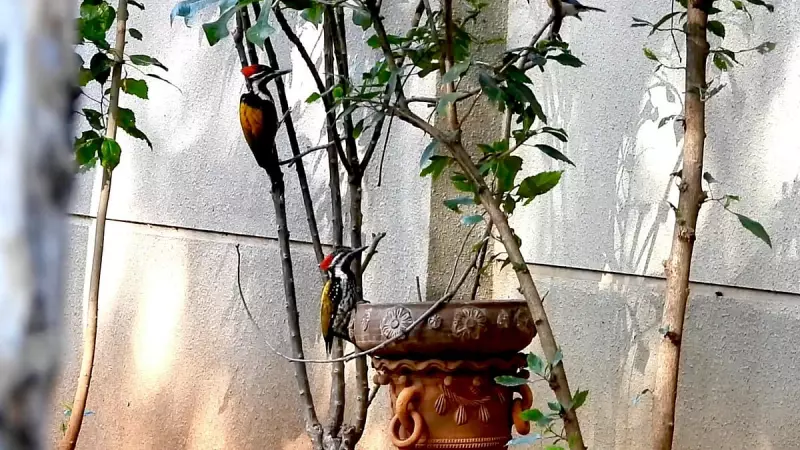
In the bustling heart of India's tech capital, a quiet revolution is taking flight. Bengaluru's cherished urban gardens and parks, long valued for their greenery and respite, are increasingly being recognized as vital havens for avian life. These spaces are transforming into unexpected and thriving birding hotspots, drawing both feathered visitors and human enthusiasts in growing numbers.
From Green Lungs to Biodiversity Havens
The phenomenon is most vividly observed in the city's iconic green spaces. Lalbagh Botanical Garden and Cubbon Park are at the forefront, but the trend extends to numerous smaller neighborhood parks and even private gardens. Ornithologists and citizen scientists note that these urban oases now support a surprising diversity of birdlife, acting as critical refuges amidst concrete expansion.
Recent observations and informal surveys have recorded over 100 different bird species utilizing these spaces. The list includes resident birds like the ubiquitous Asian Koel, colorful Parakeets, and industrious Sunbirds. More remarkably, several migratory species also make stopovers, treating these gardens as essential pit-stops on their long journeys. The presence of these birds serves as a key indicator of the ecological health of the city's green patches.

The Drivers Behind the Feathery Influx
Several factors contribute to this burgeoning avian activity. The primary draw is the availability of food and water. Mature trees in these gardens provide fruits, nectar, and insects, while well-maintained lakes and ponds offer drinking and bathing spots. The comparative reduction in pesticide use in some botanical gardens, compared to intensive agricultural areas, creates a safer foraging environment.
Furthermore, the loss of natural habitats in the city's periphery due to urban sprawl is pushing bird populations to adapt and seek sanctuary in established central green zones. These gardens, with their tall canopy trees and layered vegetation, mimic natural woodland structures, offering shelter and nesting sites that are scarce in the wider urban landscape.
Community, Conservation, and Citizen Science
This transformation has not gone unnoticed by Bengaluru's residents. The city's strong birdwatching community, including groups like the Birdwatchers' Field Club of Bangalore, actively documents these changes. Regular bird walks and counts in Lalbagh and other locations have become popular, turning casual visitors into engaged citizen scientists.
This growing public interest has positive implications for conservation. When people begin to notice and name the birds around them—from the striking White-throated Kingfisher to the delicate Purple-rumped Sunbird—they develop a stronger stake in protecting these green spaces. The gardens thus become not just recreational spots but living classrooms for biodiversity education.
The trend underscores a crucial lesson for urban planning: well-maintained urban green spaces are multifunctional assets. They are not only lungs for the city but also indispensable sanctuaries for wildlife, helping maintain ecological balance. For Bengaluru, a city grappling with rapid environmental change, the thriving birdlife in its gardens is a beacon of hope and a clear indicator that conservation within city limits is both possible and essential.