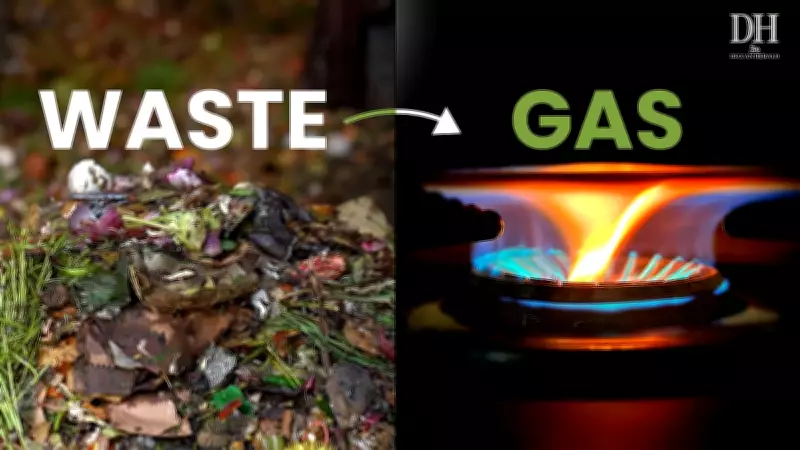
Bengaluru's Innovative Strategy to Address LPG Shortage Through Waste Conversion
The bustling metropolis of Bengaluru is grappling with a persistent LPG (liquefied petroleum gas) crisis, impacting households and businesses reliant on this essential cooking fuel. In a groundbreaking move, city authorities and environmental experts are now exploring the potential of converting the city's substantial municipal solid waste into clean LPG. This initiative aims not only to alleviate the fuel shortage but also to tackle the escalating waste management challenges that have long plagued the urban landscape.
The Dual Challenge of Waste and Fuel Scarcity
Bengaluru generates an estimated 5,000 to 6,000 metric tons of solid waste daily, with a significant portion ending up in overflowing landfills or being improperly disposed of, leading to environmental degradation and public health concerns. Simultaneously, the city faces intermittent LPG supply disruptions, causing inconvenience and economic strain for residents. The proposed waste-to-LPG conversion technology involves advanced anaerobic digestion and gasification processes that can transform organic waste components into biogas, which is then refined into LPG-equivalent fuel. This method promises a sustainable alternative to conventional LPG derived from fossil fuels, potentially reducing dependency on external suppliers and stabilizing local fuel availability.
Technological and Logistical Considerations
Implementing this solution requires robust infrastructure, including segregated waste collection systems, large-scale biogas plants, and purification facilities to ensure the produced gas meets safety and quality standards. Experts emphasize that successful adoption hinges on public participation in waste segregation at source, as well as investments in modern processing units. Pilot projects in other Indian cities have demonstrated feasibility, with studies indicating that one ton of organic waste can yield approximately 100-150 cubic meters of biogas, equivalent to a substantial portion of LPG needs. However, challenges such as high initial capital costs, technological scalability, and regulatory approvals must be addressed to make this a viable long-term strategy for Bengaluru.

Environmental and Economic Benefits
Beyond mitigating the LPG crisis, this approach offers significant environmental advantages. By diverting waste from landfills, it reduces greenhouse gas emissions like methane and minimizes soil and water pollution. The conversion process also produces nutrient-rich digestate that can be used as organic fertilizer, promoting circular economy principles. Economically, it could create job opportunities in waste management and green energy sectors, while potentially lowering fuel costs for consumers over time. Authorities are collaborating with research institutions and private enterprises to assess the full potential and develop a phased implementation plan, aiming to integrate this into Bengaluru's broader smart city and sustainability goals.
Future Prospects and Community Role
As Bengaluru moves forward, stakeholder engagement will be crucial. Public awareness campaigns and incentives for waste segregation can drive community involvement, ensuring a steady supply of raw materials for conversion. While technical hurdles remain, the initiative represents a proactive step toward energy self-sufficiency and environmental stewardship. If successful, it could serve as a model for other urban centers in India and globally facing similar waste and energy dilemmas, showcasing how innovative solutions can turn urban challenges into opportunities for sustainable development.