Bhubaneswar Air Quality Shows Seasonal Improvement After Winter Decline
Recent data presented in the Odisha Legislative Assembly reveals a significant seasonal pattern in Bhubaneswar's air quality. The capital city's Air Quality Index (AQI), which deteriorated into the 'poor' category during November and December of last year, has now recovered to 'moderate' levels for January and February of this year.
Seasonal Fluctuations and Comparative Analysis
Forest and Environment Minister Ganesh Ram Singhkhuntia provided detailed information in response to queries from Sonepur MLA Niranjan Pujari. The minister confirmed that Bhubaneswar's air quality remains better than that of Delhi's National Capital Region (NCR).
The seasonal pattern shows:

- January-February 2025: Moderate AQI
- March-July 2025: Satisfactory AQI
- November-December 2025: Poor AQI with PM2.5 levels reaching 207 and 297 respectively
- January-February 2026: Return to moderate AQI (101-200 range)
Minister Singhkhuntia explained this cyclical pattern, stating: "This index will improve from March to October, as it usually happens. Between November and February, the quality remains around poor and moderate categories."
Significant Improvement Over Delhi
The assembly reply contained compelling comparative data showing Bhubaneswar's substantial advantage over Delhi in annual air quality metrics. While Delhi recorded an average annual AQI of 223, Bhubaneswar maintained a much healthier average of 88.
This represents a dramatic difference of 135 points between the two cities' annual air quality averages, highlighting Bhubaneswar's relatively better environmental conditions despite seasonal challenges.
Effective Pollution Control Measures
Odisha State Pollution Control Board (OSPCB) officials attributed the air quality improvement to several targeted interventions implemented across the city. These measures included:
- Increased frequency of water sprinkling on roads
- Enhanced mist spraying operations
- Strict enforcement of bans on open garbage burning
- Reduced use of coal-based 'chullahs' in hotels and restaurants
Niranjan Mallick, OSPCB senior environment scientist, noted: "The measures started showing a positive outcome from the middle of January. With winter impact decreasing now, there is not much dust suspended in ambient air. The ambient air pollution reduced significantly."
Visible Environmental Improvements
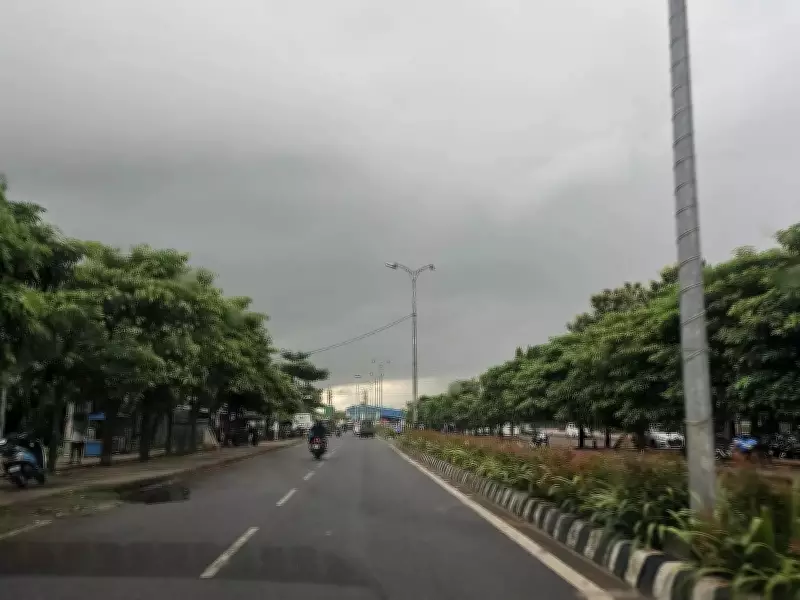
The pollution control efforts have produced noticeable changes in Bhubaneswar's environment. During periods when AQI remained between 200 and 300, the capital's sky appeared foggy, and some residents experienced respiratory discomfort including jerking coughs when outdoors without masks.
Mallick observed: "This phenomenon is not there now. Now the sky looks clear and the ambient air is breathable."
Municipal Corporation Initiatives
The Bhubaneswar Municipal Corporation (BMC) implemented additional measures to support air quality improvement. These included issuing instructions to significantly minimize construction activities and removing most construction and demolition waste that had accumulated along roadsides.
These coordinated efforts between state pollution control authorities and municipal officials have created a comprehensive approach to managing Bhubaneswar's air quality challenges, particularly during the winter months when atmospheric conditions typically worsen pollution levels.