Bhubaneswar Municipal Corporation Launches Innovative Green Waste to Briquette Project
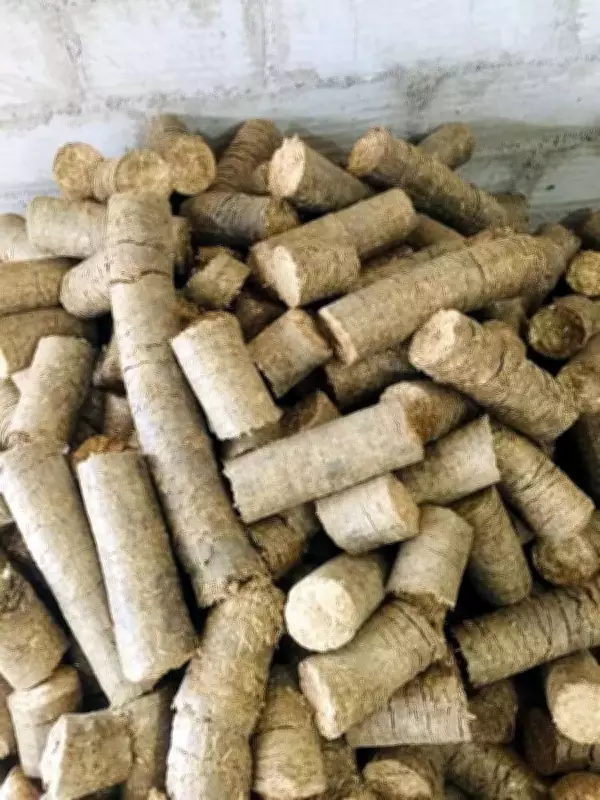
In a significant move towards sustainable urban management, the Bhubaneswar Municipal Corporation (BMC) has announced plans to establish a specialized plant for processing green waste into biomass briquettes. This initiative aims to transform horticultural debris into a clean-burning fuel source, marking a pivotal step in the city's environmental strategy.
Transforming Waste into Clean Energy
BMC officials have detailed that the plant will focus on converting materials such as tree branches, twigs, and dry leaves—which were previously dumped, transported to landfills, or openly burnt—into compact briquettes. These briquettes are designed to emit minimal smoke, positioning them as an eco-friendly alternative to traditional fuels.
BMC Commissioner Chanchal Rana emphasized the project's broader vision, stating, "Our plan is to advance the biomass briquette initiative to convert the city's green waste into clean fuel. This project is a key step towards circular economy-based urban governance and reduced air pollution, aligning with our commitment to sustainable development."

Public-Private Partnership and Revenue Model
The civic body will facilitate the setup of the biomass briquette manufacturing plant through a public-private partnership. A selected private agency will be responsible for installing, operating, and maintaining the facility. In return, the agency will pay BMC a monthly royalty of Rs 75,000 over a 10-year period, creating a steady revenue stream for the municipal corporation.
This model not only supports the project's financial sustainability but also reduces municipal expenditures on waste transportation and landfill management. By generating value through briquette sales and royalty payments, the initiative promises to be a low-cost, self-sustaining solution.
Environmental and Health Benefits
BMC Additional Commissioner Kailash Chandra Dash highlighted the environmental advantages, noting, "Open burning of green waste contributes to local air pollution and greenhouse gas emissions, while dumping increases landfill pressure and handling costs. By converting this waste into briquettes, we aim to significantly reduce both disposal volumes and harmful emissions."
The biomass briquettes produced will be supplied as an alternative fuel for industrial boilers and furnaces, with potential applications in crematoriums and institutions. Dash added, "These briquettes are expected to partially replace coal and firewood, supporting cleaner combustion practices and lowering dependence on conventional fossil fuels, which is crucial for public health and climate goals."
Alignment with National and Circular Economy Goals
This initiative is closely aligned with national objectives under the Swachh Bharat Mission and broader circular economy principles. By turning waste into a resource, BMC aims to create a replicable model for other urban local bodies across India.
Civic officials believe that the project could inspire similar efforts in other cities, promoting low-cost, sustainable waste-to-resource solutions. The integration of circular economy practices not only addresses waste management challenges but also fosters economic resilience and environmental stewardship.
Expected Outcomes and Future Implications
The project is anticipated to yield multiple benefits:
- Reduction in Air Pollution: Minimizing open burning and emissions from traditional fuels.
- Decreased Landfill Pressure: Lowering the volume of waste sent to landfills.
- Cost Savings: Cutting municipal expenses on waste handling and transportation.
- Revenue Generation: Creating income through briquette sales and royalty agreements.
- Support for Clean Energy: Providing a sustainable fuel alternative for various sectors.
As Bhubaneswar moves forward with this innovative project, it sets a precedent for urban centers striving to balance development with environmental responsibility, showcasing how local actions can contribute to global sustainability efforts.