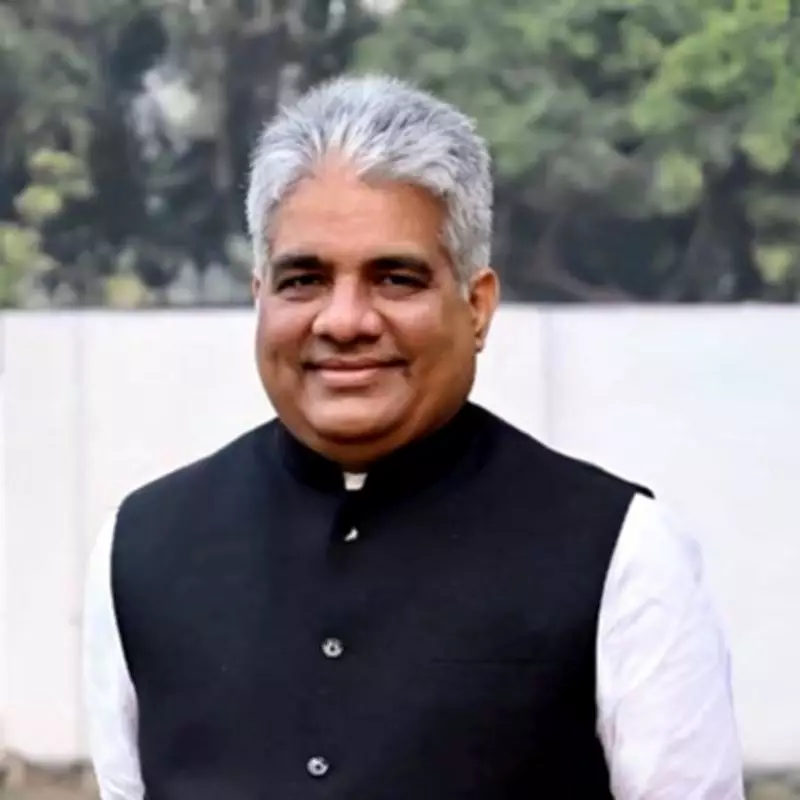
Environment Minister Bhupender Yadav Proposes Four Expert Panels for Tiger Reserve Evaluation
In a significant move to strengthen wildlife conservation efforts, Union Environment Minister Bhupender Yadav has called for the establishment of four specialized expert committees. These panels are tasked with conducting a comprehensive assessment of the various schemes and initiatives currently implemented across India's tiger reserves. The announcement underscores the government's commitment to enhancing the management and protection of these critical habitats, which are vital for the survival of the endangered Bengal tiger and other biodiversity.
Objectives and Focus Areas of the Expert Committees
The primary objective of these committees is to evaluate the effectiveness of existing conservation programs, identify gaps, and recommend improvements to ensure better outcomes. Each panel will focus on distinct aspects of tiger reserve management, including habitat restoration, anti-poaching measures, community engagement, and sustainable tourism practices. By adopting a multi-faceted approach, the initiative aims to address the complex challenges faced by these reserves, such as human-wildlife conflict, habitat fragmentation, and climate change impacts.
Key responsibilities of the committees will include:

- Reviewing the implementation of the Project Tiger scheme and other related conservation efforts.
- Assessing the ecological health and tiger population trends in different reserves.
- Evaluating the involvement of local communities in conservation activities and their socio-economic benefits.
- Proposing technological innovations and best practices for monitoring and protection.
Background and Importance of Tiger Reserves in India
India is home to over 70% of the world's wild tiger population, with more than 50 tiger reserves spread across the country. These reserves play a crucial role in biodiversity conservation, serving as sanctuaries not only for tigers but also for numerous other species. The government's Project Tiger, launched in 1973, has been instrumental in the recovery of tiger numbers from a historic low. However, ongoing threats necessitate continuous evaluation and adaptation of conservation strategies to ensure long-term success.
The formation of these expert panels comes at a time when tiger reserves are facing increasing pressures from infrastructure development, poaching, and environmental degradation. By leveraging scientific expertise and stakeholder input, the committees are expected to provide actionable insights that can guide policy decisions and resource allocation. This proactive step aligns with India's international commitments under the Global Tiger Recovery Program and its national goals for wildlife preservation.
Expected Outcomes and Future Steps
The expert committees are slated to submit their findings and recommendations within a specified timeframe, which will then be reviewed by the Ministry of Environment, Forest and Climate Change. Based on these reports, the government plans to refine existing schemes, introduce new initiatives, and allocate funds more effectively to address priority areas. This structured evaluation process is anticipated to lead to enhanced conservation outcomes, improved reserve management, and greater transparency in wildlife governance.
In conclusion, Bhupender Yadav's call for four expert panels marks a pivotal effort to bolster India's tiger conservation framework. By fostering a collaborative and evidence-based approach, this initiative aims to secure a sustainable future for the country's iconic tiger populations and their ecosystems, reinforcing India's leadership in global wildlife protection efforts.