

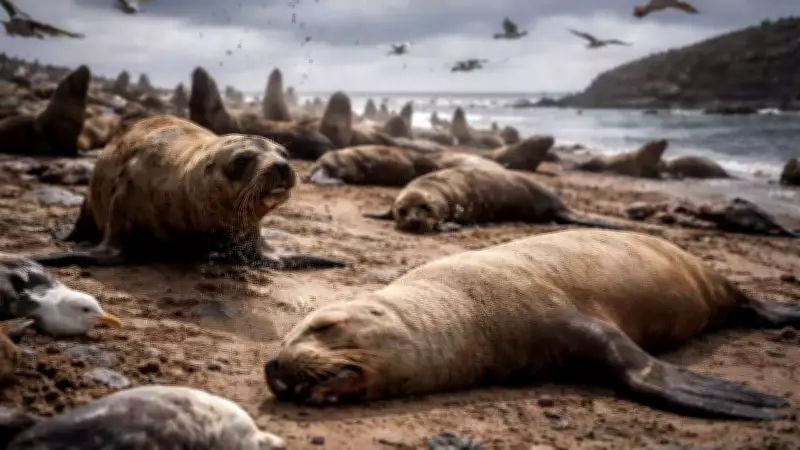
Avian Flu Jumps to Marine Life: Seals and Sea Lions Face Devastating H5N1 Outbreak
What was once considered a virus that infected only birds is now wreaking havoc in the oceans, infecting marine life in ways that scientists never anticipated. The highly pathogenic avian influenza, known as H5N1, has evolved into a global phenomenon, spreading across continents and now devastating marine ecosystems. This shift marks a critical turning point in the virus's behavior, with recent outbreaks in coastal regions of South America leading to the deaths of tens of thousands of seals and sea lions.
Scientists Warn of a Major Ecological Shift
Researchers are stepping back to assess the broader implications as the outbreak intensifies in various marine environments. Their focus is on understanding the transmission of the virus within pinnipeds, which include seals and sea lions, and developing strategies to mitigate its effects. A study conducted by The Royal Society found that the spread of avian influenza among marine mammals represents a significant change in the virus's dynamics. The outbreak is not only widespread but also evolving in ways that could heighten ecological risks, raising concerns that entire populations might be decimated if the virus continues unchecked.
How the Virus Is Spreading in Marine Ecosystems
The transmission of H5N1 among seals and sea lions is under close monitoring to identify the routes of infection. Scientists believe that infected seabirds play a crucial role in this process. When marine mammals come into contact with these birds or their carcasses, the virus can jump species. Additionally, there is growing alarm that the virus is mutating to enable mammal-to-mammal transmission, which could drastically increase the rate of spread and complicate containment efforts.

Why Scientists Are Increasingly Concerned
This outbreak is particularly alarming due to its ability to cross species and geographic boundaries. Originally a bird flu, H5N1 has demonstrated a persistent ability to infect other animals over time. Its resilience in the environment and transportation via migratory birds make it exceptionally difficult to control. In regions like Argentina, where the outbreak was first detected, early warning signs included the sudden deaths of elephant seals. What initially seemed like isolated incidents quickly escalated into a widespread crisis, highlighting the virus's unpredictable nature.
Efforts to Monitor and Contain the Outbreak
Scientists and wildlife experts are actively working to gauge the full extent of the crisis and devise plans to minimize its impact. Efforts are underway to protect other marine animal populations that have not yet been infected, as this is considered the most viable approach given the challenges of managing diseases in wild environments. Proactive measures are essential to prevent further ecological damage and safeguard biodiversity.
A Warning Sign for Global Ecosystems
The emergence of bird flu in seals and sea lions is not merely a wildlife issue; it signals a deeper imbalance in nature. Marine mammals play a vital role in ocean ecosystems, and their decline could have long-term repercussions. Changes in disease patterns suggest that environmental factors are influencing how diseases evolve across different species, underscoring the interconnectedness of global health and the urgent need for comprehensive environmental stewardship.






